Pool Cleaner Buying Guides
Choose the right cleaner by matching the cleaning system to pool type, surface, debris, coverage expectations and the amount of hands-on maintenance you want.
What to compare first
Browse pool cleaner buying guides covering robotic, cordless, suction-side and pressure-side models, pool surfaces, debris, coverage and upkeep.
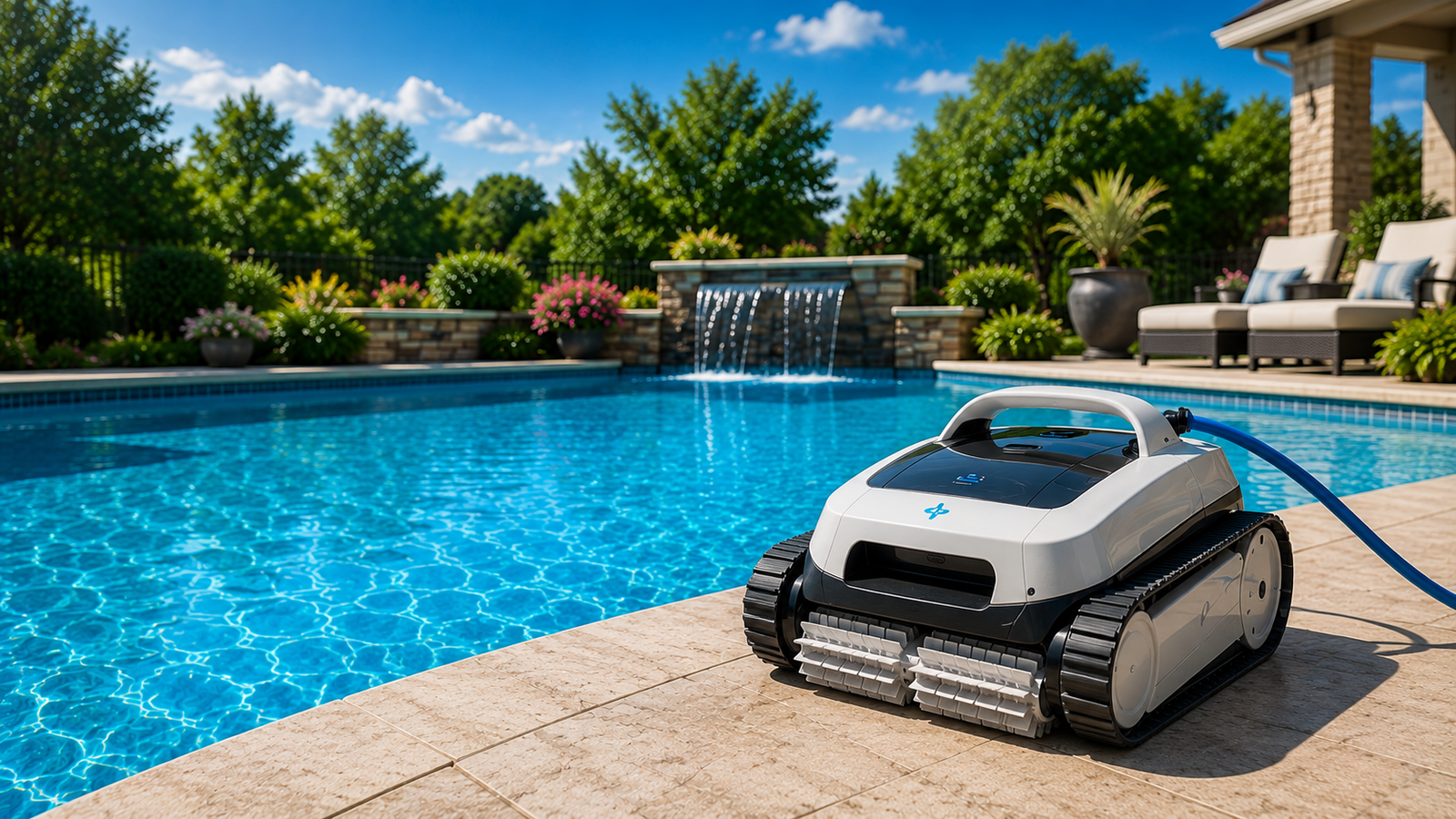
Robotic
Independent filtration and powered movement; verify pool type, cable or battery limits and wall coverage.
Suction-side
Uses the pool’s suction line and filtration system; simple plumbing compatibility is essential.
Pressure-side
Uses return-side pressure and may require a booster pump; often suited to larger debris.
Start with the guide that matches your decision
Use this index to move from a broad overview to the specific sizing, compatibility or comparison question you need to solve. Each linked page is part of the approved Pool Equipment Guide content map.
Understand the main options
| Option | What distinguishes it | Focus | Current selection |
|---|---|---|---|
| Robotic cleaner | Self-contained motor and filter; does not rely on the pool filter for debris capture. | Key distinction | View Options |
| Suction-side cleaner | Connects to suction plumbing and sends debris to the pool filtration system. | Key distinction | View Options |
| Pressure-side cleaner | Uses return pressure; some systems use a separate debris bag and booster pump. | Key distinction | View Options |
Choose by compatibility before features
Define the job
Write down the pool type, size, climate, debris or heating load, and the result the equipment must deliver.
Verify the system
Check plumbing, flow, electrical service, control compatibility, physical space and manufacturer requirements.
Compare daily operation
Consider schedules, cleaning steps, noise, water use, energy demand and how often you will interact with the equipment.
Plan for service
Look at access, consumables, replacement parts, winterization and the availability of qualified service where needed.
Compare more than the purchase price
Installation, operating energy, water use, cleaning frequency, consumables and repair access can change the practical value of pool equipment. Use Robotic Pool Cleaner Buying Guide for the broad decision, then narrow the choice with Robotic vs Suction Pool Cleaners and Robotic vs Pressure-Side Cleaners.
Common comparison errors
Frequently asked questions
Which pool cleaner type needs the least plumbing setup?
Robotic cleaners generally operate independently of the pool circulation plumbing, though they still require power or battery charging. Always verify the model’s intended pool type and setup instructions.
Can a cleaner handle walls and the waterline?
Only models specifically designed for those surfaces should be expected to do so. Floor-only, wall-climbing and waterline-capable cleaners are distinct categories.
What is best for heavy leaf debris?
Look for a large debris container, a wide intake and a design known to handle larger material. Fine-filter machines may need more frequent cleaning when leaf load is high.
Do suction cleaners increase filter maintenance?
They can because collected debris moves through the pool’s suction and filtration system. Basket and filter cleaning frequency may increase depending on debris load.
Are cordless robotic cleaners good for large pools?
They can be, but runtime, recharge time, retrieval method and rated pool size are critical. A battery cycle must be long enough to cover the intended area.
Will a pool cleaner work on vinyl or fiberglass?
Compatibility depends on wheels, brushes, suction design and manufacturer approval. Check the manual for the exact surface and pool shape.
How often should I clean the cleaner filter or bag?
Inspect it after each cycle until you understand your debris load. Restricted flow or a full container can reduce cleaning performance.
Can I leave a robotic cleaner in the pool?
Follow the manufacturer’s storage guidance. Many owners remove, rinse and store the cleaner out of direct sun between cycles to protect components.
Use the specific guide for your pool
Begin with compatibility and the actual job the equipment must perform. Then compare operating demands and ownership cost before selecting a product category.