Maintenance Academy
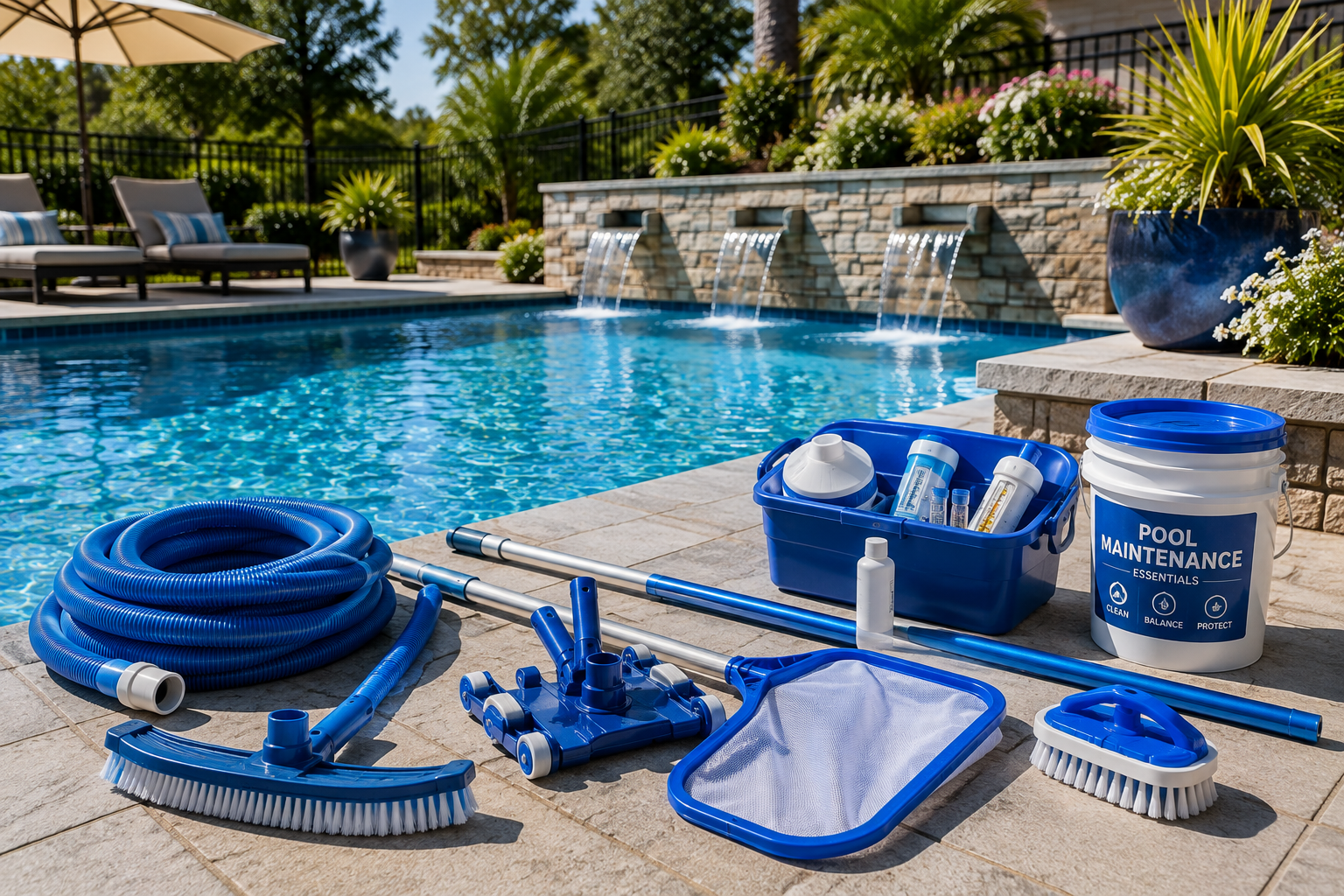
Build routines for cleaning, circulation, filtration, equipment checks and seasonal care.
Use the right path for your pool
Start with measured conditions, system compatibility and the ownership task you want to improve.
Small tasks prevent larger problems
Skimming, brushing, basket cleaning and testing stabilize the pool.
View Available OptionsWatch pressure, flow and noise
Changes from baseline reveal restrictions or leaks.
View Available OptionsPrepare before weather changes
Opening, closing, storms and freezes need different procedures.
View Available OptionsWhere should you begin?
Choose the right path
| Area | What it covers | Key decision |
|---|---|---|
| Every visit | Visual check and debris removal | Water level, clarity, baskets, leaks and hazards |
| Regular testing | Sanitizer and pH | Use reliable tests and adjust from results |
| Filter care | Pressure and condition | Clean from baseline and instructions |
| Equipment pad | Leak, noise and airflow inspection | Check pumps, heaters, valves and drainage |
| Seasonal care | Opening, closing and weather response | Follow climate procedures |
| Records | Track readings and service | Identify trends before failure |
How to use this resource
Create a baseline
Create a baseline matters because it affects compatibility, operating conditions, maintenance effort and long-term system performance. Use exact-model documentation before making a final decision.
Clean in the right order
Clean in the right order matters because it affects compatibility, operating conditions, maintenance effort and long-term system performance. Use exact-model documentation before making a final decision.
Maintain circulation
Maintain circulation matters because it affects compatibility, operating conditions, maintenance effort and long-term system performance. Use exact-model documentation before making a final decision.
Protect equipment
Protect equipment matters because it affects compatibility, operating conditions, maintenance effort and long-term system performance. Use exact-model documentation before making a final decision.
Respond to weather
Respond to weather matters because it affects compatibility, operating conditions, maintenance effort and long-term system performance. Use exact-model documentation before making a final decision.
Use service when appropriate
Use service when appropriate matters because it affects compatibility, operating conditions, maintenance effort and long-term system performance. Use exact-model documentation before making a final decision.
Common owner and buying errors
Related Pool Equipment Guide resources
Frequently asked questions
What pool maintenance should be done every week?
Start with the pool’s measured conditions and the exact equipment documentation. Compatibility, operating conditions, maintenance and installation requirements matter more than a single headline feature.
When should a pool filter be cleaned?
Use the manufacturer procedure and compare pressure with the clean-filter baseline. Reduced flow or a meaningful pressure rise can indicate cleaning is due.
Why are there bubbles in the pool returns?
Start with the pool’s measured conditions and the exact equipment documentation. Compatibility, operating conditions, maintenance and installation requirements matter more than a single headline feature.
How often should I brush pool walls?
Start with the pool’s measured conditions and the exact equipment documentation. Compatibility, operating conditions, maintenance and installation requirements matter more than a single headline feature.
What should I check at the equipment pad?
Start with the pool’s measured conditions and the exact equipment documentation. Compatibility, operating conditions, maintenance and installation requirements matter more than a single headline feature.
How should pool chemicals be stored?
Start with the pool’s measured conditions and the exact equipment documentation. Compatibility, operating conditions, maintenance and installation requirements matter more than a single headline feature.
When should I call a pool professional?
Use qualified help for gas, line-voltage electrical, cracked pressure equipment, major leaks, repeated breaker trips or complex hydraulic and automation work.
Why should I keep maintenance records?
Track water readings, clean-filter pressure, pump schedules, unusual noise, leaks and service dates. Trends make problems easier to identify early.
Move from research to a verified plan
Build routines for cleaning, circulation, filtration, equipment checks and seasonal care. Confirm final decisions against current manufacturer documentation and local requirements.