
Pool Heater Buying Guides
Use these guides to compare gas heaters, heat pumps and electric options by climate, heating speed, installation requirements and operating priorities.
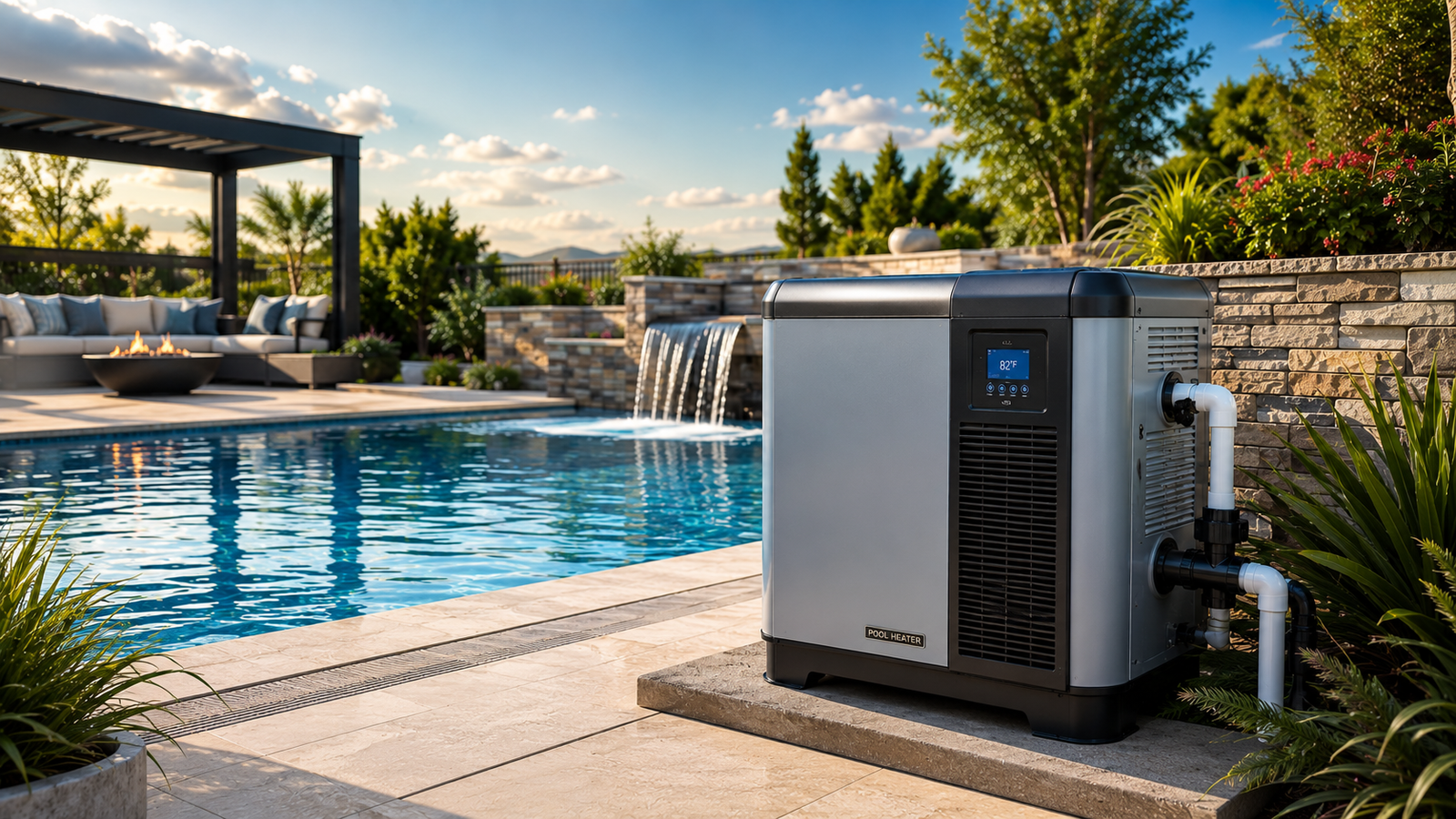
What to compare first
Browse pool heater buying guides covering gas, heat pump and electric systems, sizing, climate, heat-up time, efficiency and operating cost.
Start with climate
Heat pumps perform best when ambient air is warm enough to supply usable heat, while gas systems are less dependent on outdoor temperature.
Size for the job
Pool volume, desired temperature rise, wind exposure and whether a cover is used all affect heating demand.
Compare total ownership
Look beyond purchase price to fuel or electricity rates, plumbing changes, electrical service and routine maintenance.
Start with the guide that matches your decision
Use this index to move from a broad overview to the specific sizing, compatibility or comparison question you need to solve. Each linked page is part of the approved Pool Equipment Guide content map.
Understand the main options
| Option | What distinguishes it | Focus | Current selection |
|---|---|---|---|
| Gas heater | Fast temperature rise; fuel supply and venting matter. | Key distinction | View Options |
| Heat pump | Efficient in suitable weather; slower recovery than gas. | Key distinction | View Options |
| Electric resistance | Simple concept; usually best for smaller water volumes or limited use. | Key distinction | View Options |
Choose by compatibility before features
Define the job
Write down the pool type, size, climate, debris or heating load, and the result the equipment must deliver.
Verify the system
Check plumbing, flow, electrical service, control compatibility, physical space and manufacturer requirements.
Compare daily operation
Consider schedules, cleaning steps, noise, water use, energy demand and how often you will interact with the equipment.
Plan for service
Look at access, consumables, replacement parts, winterization and the availability of qualified service where needed.
Compare more than the purchase price
Installation, operating energy, water use, cleaning frequency, consumables and repair access can change the practical value of pool equipment. Use Pool Heater Buying Guide for the broad decision, then narrow the choice with Pool Heater Sizing Guide and Pool Heat Pump vs Gas Heater.
Common comparison errors
Frequently asked questions
Which pool heater type is best for cold weather?
Gas heaters are generally less dependent on warm ambient air, so they are often considered where rapid heating or colder-weather operation matters. Heat-pump output and efficiency typically decline as outdoor air gets colder.
How do I size a pool heater?
Sizing depends on pool volume, desired temperature rise, heat-loss conditions and how quickly you want the water heated. A cover can materially reduce heat loss and may change the practical capacity you need.
Are heat pumps cheaper to run than gas heaters?
They can be in suitable climates because they move heat rather than create it directly. Actual operating cost depends on local electricity and gas rates, weather, set temperature and run time.
Does a pool cover reduce heating cost?
Yes. Evaporation is a major source of pool heat loss, so covering the water when the pool is not in use can reduce demand on the heater.
Can one heater serve both a pool and spa?
Many systems can, but capacity, plumbing, controls and desired spa heat-up time must be checked together. A professional should verify the equipment and valve arrangement.
What electrical work can a heat pump require?
Pool heat pumps may require a dedicated circuit, appropriate breaker protection and wiring sized to the manufacturer’s instructions. Installation should follow local code and the product manual.
How often should a pool heater be serviced?
Follow the manufacturer’s schedule and inspect airflow, water flow, burners or heat-exchanger areas as applicable. Service is especially important before heavy seasonal use.
Should I choose heating speed or efficiency first?
Choose based on how you use the pool. Occasional rapid heating favors different equipment than maintaining a steady temperature for long periods.
Use the specific guide for your pool
Begin with compatibility and the actual job the equipment must perform. Then compare operating demands and ownership cost before selecting a product category.