
Pool Cover Buying Guides
Compare safety, solar, winter and automatic covers by purpose, pool shape, anchoring, material, daily usability and maintenance.
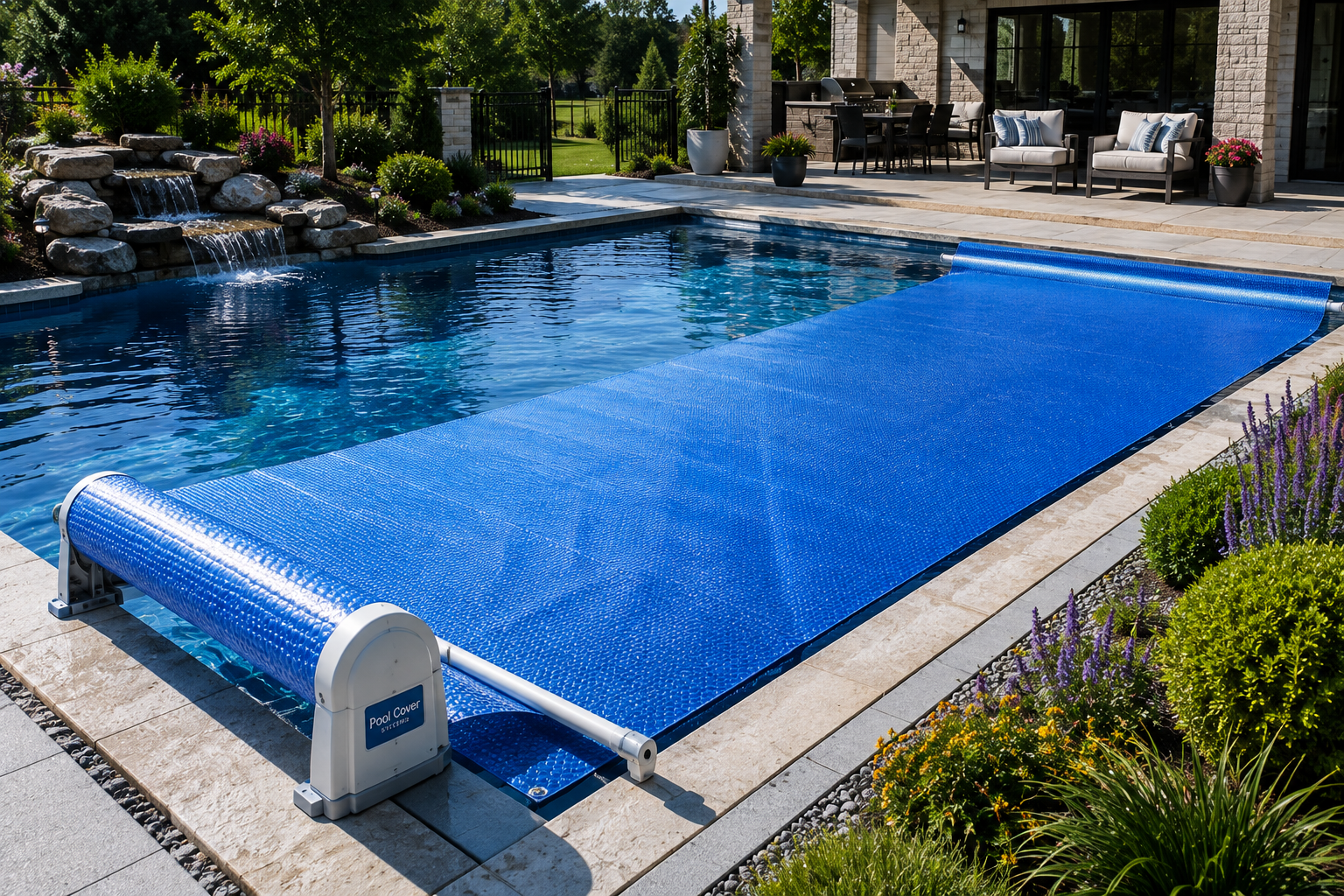
What to compare first
Browse pool cover buying guides covering safety, solar, winter and automatic covers, sizing, materials, heat retention, protection and maintenance.
Safety first
A cover marketed for safety should be selected and installed according to its tested use and manufacturer instructions.
Match the purpose
Solar covers focus on evaporation and heat retention; winter covers focus on seasonal protection.
Measure precisely
Pool dimensions, steps, raised walls and deck conditions affect fit and anchoring.
Start with the guide that matches your decision
Use this index to move from a broad overview to the specific sizing, compatibility or comparison question you need to solve. Each linked page is part of the approved Pool Equipment Guide content map.
Understand the main options
| Option | What distinguishes it | Focus | Current selection |
|---|---|---|---|
| Safety cover | Anchored system designed for protection when properly fitted and maintained. | Key distinction | View Options |
| Solar cover | Floating cover intended mainly to reduce evaporation and retain heat. | Key distinction | View Options |
| Winter cover | Seasonal barrier for debris and weather; support and water management vary by design. | Key distinction | View Options |
Choose by compatibility before features
Define the job
Write down the pool type, size, climate, debris or heating load, and the result the equipment must deliver.
Verify the system
Check plumbing, flow, electrical service, control compatibility, physical space and manufacturer requirements.
Compare daily operation
Consider schedules, cleaning steps, noise, water use, energy demand and how often you will interact with the equipment.
Plan for service
Look at access, consumables, replacement parts, winterization and the availability of qualified service where needed.
Compare more than the purchase price
Installation, operating energy, water use, cleaning frequency, consumables and repair access can change the practical value of pool equipment. Use All Pool Covers for the broad decision, then narrow the choice with Buying Guides and Pool Equipment Buying Guides.
Common comparison errors
Frequently asked questions
Is a solar cover the same as a safety cover?
No. A solar cover is primarily for evaporation and heat retention and should not be treated as a safety barrier unless specifically certified for that purpose.
How much overlap should a pool cover have?
Required overlap depends on the cover type and manufacturer. Safety covers need precise measurements and anchor placement, while floating solar covers are often trimmed to the waterline.
Can I use one cover year-round?
Some covers can remain useful across seasons, but daily-use, winter and safety functions are different. Many pools use more than one cover type.
Do automatic covers fit every pool shape?
Not always. Track layout, coping, steps, raised walls and retrofit constraints can limit compatibility. A site assessment is often needed.
How do I prevent standing water on a cover?
Use the drainage or cover-pump method recommended for the cover. Standing water can add load and accelerate wear.
How should I clean a pool cover?
Use products and methods approved by the manufacturer, rinse away debris and allow the cover to dry before long-term storage.
When should a cover be replaced?
Replace or professionally inspect it when fabric, seams, straps, anchors or mechanisms show damage that could compromise intended performance.
Can a cover reduce chemical use?
By reducing evaporation and limiting debris, a cover may reduce some water and chemical demand. Water still needs normal testing and treatment.
Use the specific guide for your pool
Begin with compatibility and the actual job the equipment must perform. Then compare operating demands and ownership cost before selecting a product category.