
Best Gas Pool Heaters
Compare gas pool heaters by BTU output, heating speed, fuel type, efficiency, controls, installation requirements and suitability for larger pools.
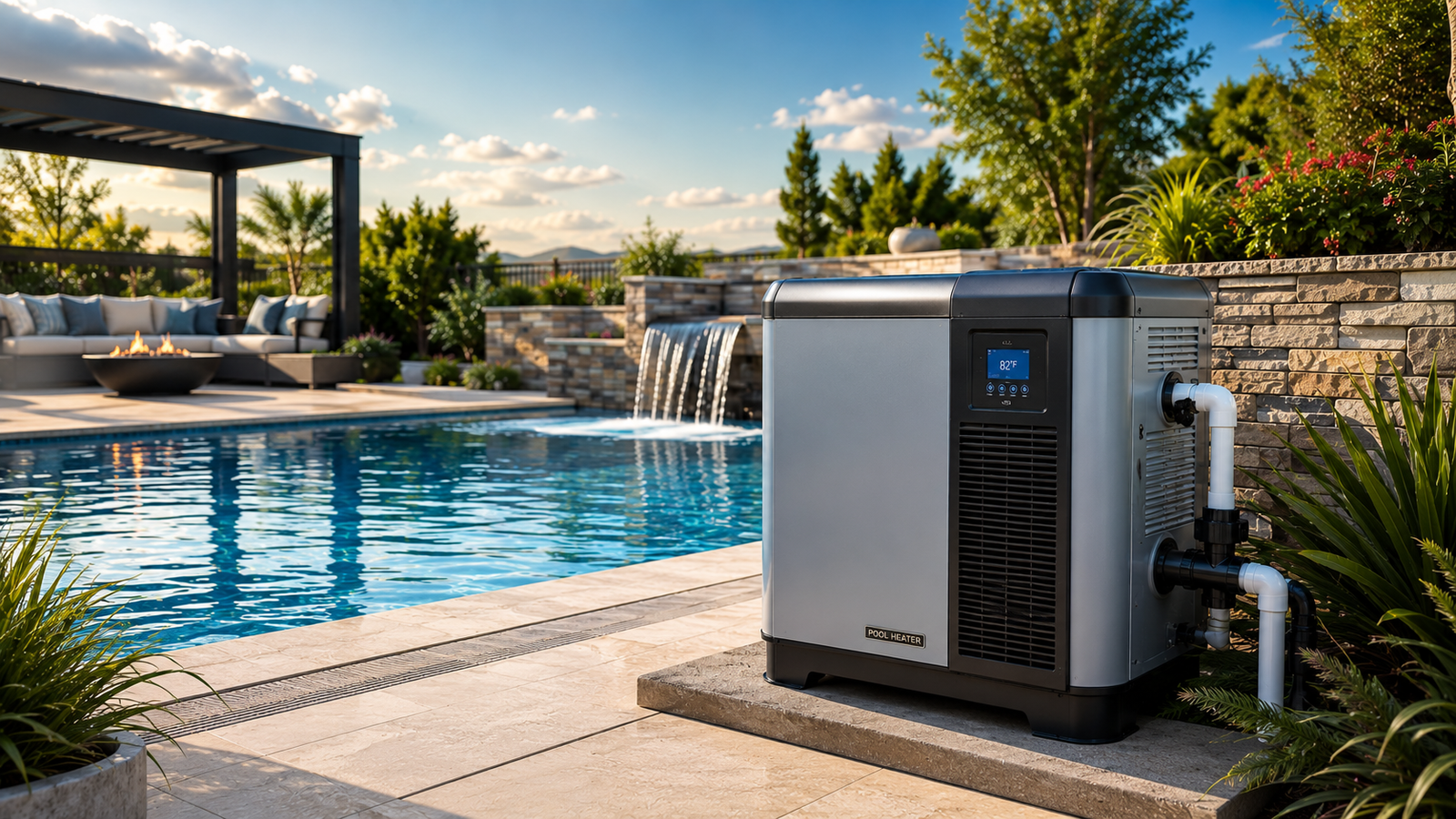
Start with the right decision factors
Compare capacity, operating conditions, installation requirements and maintenance before secondary features.
Higher input supports faster heat-up
Must match fuel and venting capacity
View Available OptionsNatural gas or propane model must match supply
Field conversion is not always permitted
View Available OptionsCompare thermal efficiency and standby behavior
Installation quality affects real results
View Available OptionsWhat should you choose?
Compare the important factors
| Factor | Best fit or first choice | What to know |
|---|---|---|
| BTU output | Higher input supports faster heat-up | Must match fuel and venting capacity |
| Fuel type | Natural gas or propane model must match supply | Field conversion is not always permitted |
| Efficiency | Compare thermal efficiency and standby behavior | Installation quality affects real results |
| Hydraulics | Verify minimum flow and bypass requirements | High flow can damage or trip heaters |
| Controls | Confirm automation and remote-sensor compatibility | Exact protocols vary by model |
How to make the right choice
Confirm the gas supply first
A heater may require a larger meter, regulator or gas line than the existing home system can support.
Plan venting and clearances
Indoor, sheltered and outdoor installations have different venting and combustion-air requirements.
Size for the required recovery time
A larger heater raises temperature faster, but only if the gas and hydraulic systems can support it.
Protect the heat exchanger
Maintain water chemistry and proper flow. Corrosive water, low flow and poor bypass setup can shorten equipment life.
Coordinate controls and safety
Flow switches, pressure switches, automation and freeze protection must be installed and configured as specified.
Common buying mistakes
Related Pool Equipment Guide pages
Frequently asked questions
How do I know whether best gas pool heaters fits my pool?
Match pool volume or surface area, plumbing size, design flow, climate, electrical service and equipment-pad clearances to the manufacturer specifications. Final sizing should account for the entire system rather than one headline number.
Can best gas pool heaters be oversized?
Yes. Oversizing can raise purchase cost, shorten cycles or create unnecessary flow and control problems. A modest safety margin is useful, but the equipment still needs to match the system and intended use.
Does best gas pool heaters require professional installation?
Pool heaters, filters and related electrical or gas work commonly require licensed installation and code compliance. Follow the manual and local rules, including bonding, venting, drainage and service-clearance requirements.
How often should best gas pool heaters be maintained?
Use the manufacturer schedule and actual operating conditions. Debris load, water chemistry, pressure rise, run time and climate can all change the service interval.
Will a pool cover improve performance with best gas pool heaters?
Usually. Evaporation is a major source of pool heat loss, so a properly used cover can reduce heat loss and heating demand. Covers also reduce debris entering the pool and filter.
What measurements should I collect before choosing best gas pool heaters?
Record pool dimensions, average depth, target temperature, current plumbing size, available power or fuel, equipment model numbers and pad clearances. For filters, also note pump flow and clean operating pressure.
Can I replace only one component with best gas pool heaters?
Often, but compatibility must be checked across the pump, filter, heater, sanitizer, plumbing and automation. A new component can change flow, pressure or control requirements.
What is the most important specification for best gas pool heaters?
There is no single universal specification. The right choice combines capacity, operating conditions, compatibility, maintenance needs and installation constraints.
Choose by system fit and operating goals
Choose a gas pool heater when fast heat-up, spa use or cold-weather recovery matters most. Size by heat loss and desired heat-up time, then verify gas type, meter and pipe capacity, venting, combustion air and minimum water flow. Confirm final sizing and installation against the exact product manual and local code requirements.