
Gas Pool Heaters Explained
Learn how gas pool heaters use natural gas or propane, how BTU output affects heat-up time, and what influences efficiency, installation and operating cost.
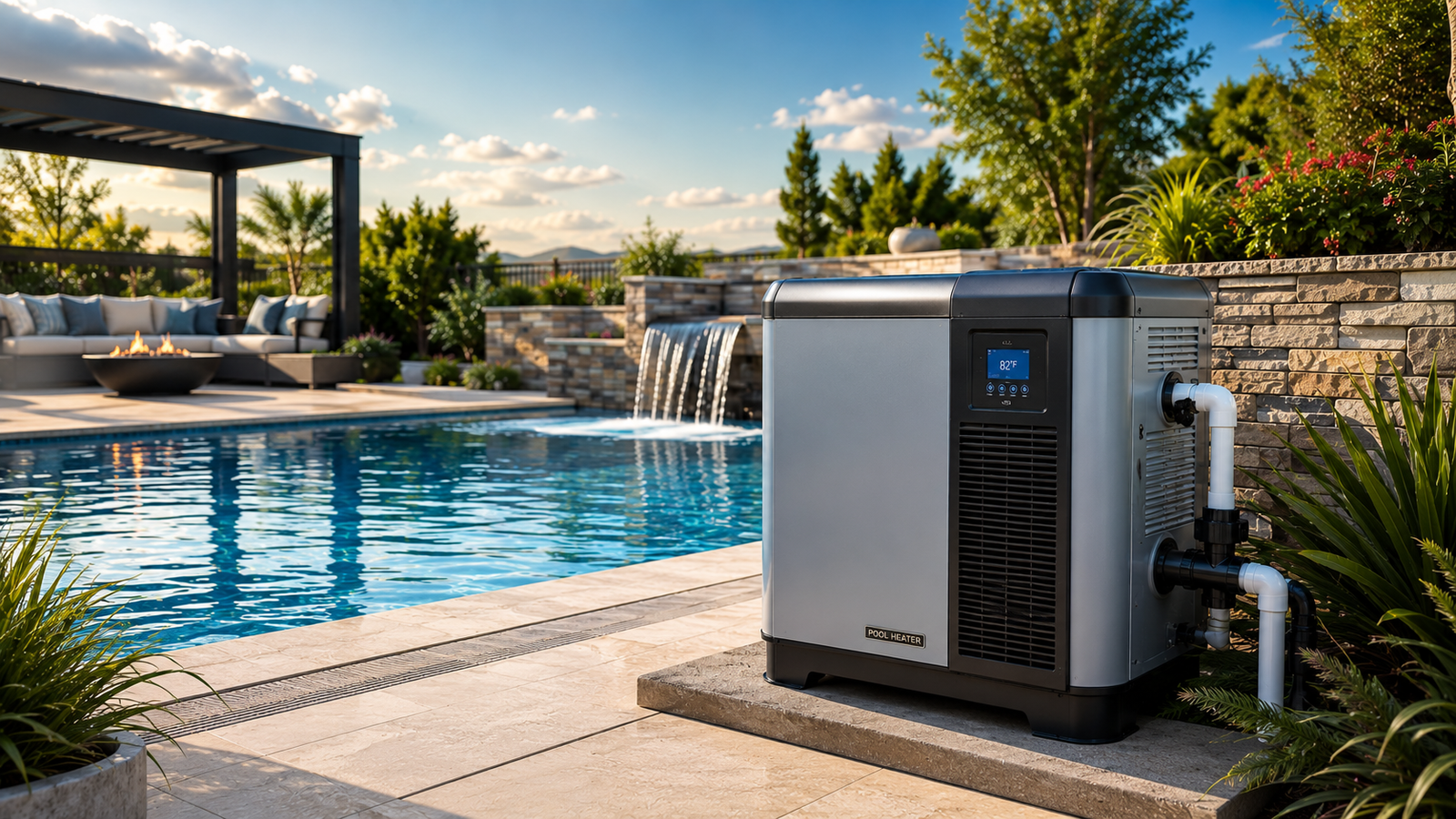
Our quick recommendations
These three picks cover the most common buying priorities: balanced performance, value and premium features.
Reliable pool operation
A burner combusts natural gas or propane, and a heat exchanger transfers that heat into circulating pool water before exhaust leaves through the approved venting path.
Check PriceFlow, pressure and condition
BTU input describes fuel energy entering the heater; useful heat output depends on thermal efficiency. Larger output can shorten heat-up time when flow and installation are correct.
Check PriceFollow the equipment manual
Gas supply sizing, combustion air, clearances, venting, electrical bonding and local codes make professional installation essential.
Check PriceWhat matters most
| Decision area | What to check | Why it matters |
|---|---|---|
| How combustion heats pool water | Follow the equipment manual | A burner combusts natural gas or propane, and a heat exchanger transfers that heat into circulating pool water before exhaust leaves through the approved venting path. |
| BTU input and output | Follow the equipment manual | BTU input describes fuel energy entering the heater; useful heat output depends on thermal efficiency. Larger output can shorten heat-up time when flow and installation are correct. |
| Fuel, venting and installation | Follow the equipment manual | Gas supply sizing, combustion air, clearances, venting, electrical bonding and local codes make professional installation essential. |
Gas Pool Heaters Explained
How combustion heats pool water
How combustion heats pool water
A burner combusts natural gas or propane, and a heat exchanger transfers that heat into circulating pool water before exhaust leaves through the approved venting path.
BTU input and output
BTU input and output
BTU input describes fuel energy entering the heater; useful heat output depends on thermal efficiency. Larger output can shorten heat-up time when flow and installation are correct.
Fuel, venting and installation
Fuel, venting and installation
Gas supply sizing, combustion air, clearances, venting, electrical bonding and local codes make professional installation essential.
Efficiency and operating cost
Efficiency and operating cost
Operating cost depends on fuel price, heater efficiency, pool size, temperature rise, weather, wind and cover use. Gas heaters are often chosen for rapid, on-demand heating.
How to use this guide
Start with the manual
Model-specific limits, procedures and warnings override general advice.
Record a baseline
Note clean pressure, normal sound, flow and settings after proper service.
Change one thing at a time
This makes troubleshooting safer and easier to verify.
Escalate when needed
Use qualified service for electrical, gas, refrigerant and pressurized repairs.
Key ownership considerations
How combustion heats pool water
A burner combusts natural gas or propane, and a heat exchanger transfers that heat into circulating pool water before exhaust leaves through the approved venting path.
BTU input and output
BTU input describes fuel energy entering the heater; useful heat output depends on thermal efficiency. Larger output can shorten heat-up time when flow and installation are correct.
Fuel, venting and installation
Gas supply sizing, combustion air, clearances, venting, electrical bonding and local codes make professional installation essential.
Efficiency and operating cost
Operating cost depends on fuel price, heater efficiency, pool size, temperature rise, weather, wind and cover use. Gas heaters are often chosen for rapid, on-demand heating.
Common mistakes to avoid
Frequently asked questions
How often should this equipment be inspected?
Inspect during routine pool service and whenever pressure, flow, temperature or water clarity changes from the normal baseline.
Can I use any replacement media or part?
No. Use the exact type, size and quantity specified by the equipment manufacturer.
Should I shut off power before service?
Yes. De-energize the system and follow lockout, pressure-relief and valve instructions before opening equipment.
What does a sudden pressure change mean?
It can indicate loading, blockage, air entry, valve position changes or a gauge problem. Compare with the clean baseline and inspect the circulation system.
Can incorrect flow damage equipment?
Yes. Excessive or inadequate flow can impair performance and may damage components. Stay within published operating limits.
When is professional service appropriate?
Use a qualified professional for electrical, gas, refrigerant, structural, pressurized-vessel or code-related work.
Does a pool cover help heating performance?
Yes. Reducing evaporation commonly lowers heat loss and can reduce the energy needed to maintain temperature.
Should I follow a fixed replacement schedule?
Condition, water chemistry, operating hours and manufacturer guidance are more useful than a universal calendar.
Related pool equipment guides
Final recommendation
Choose, operate and maintain equipment according to verified flow requirements, manufacturer instructions and local safety rules. Use professional installation or service whenever electrical, gas, refrigerant or pressure-vessel work is involved.