
Pool Cleaner Comparisons
Compare robotic, suction-side and pressure-side cleaners by cleaning path, debris handling, pool-system dependence, installation and routine upkeep.
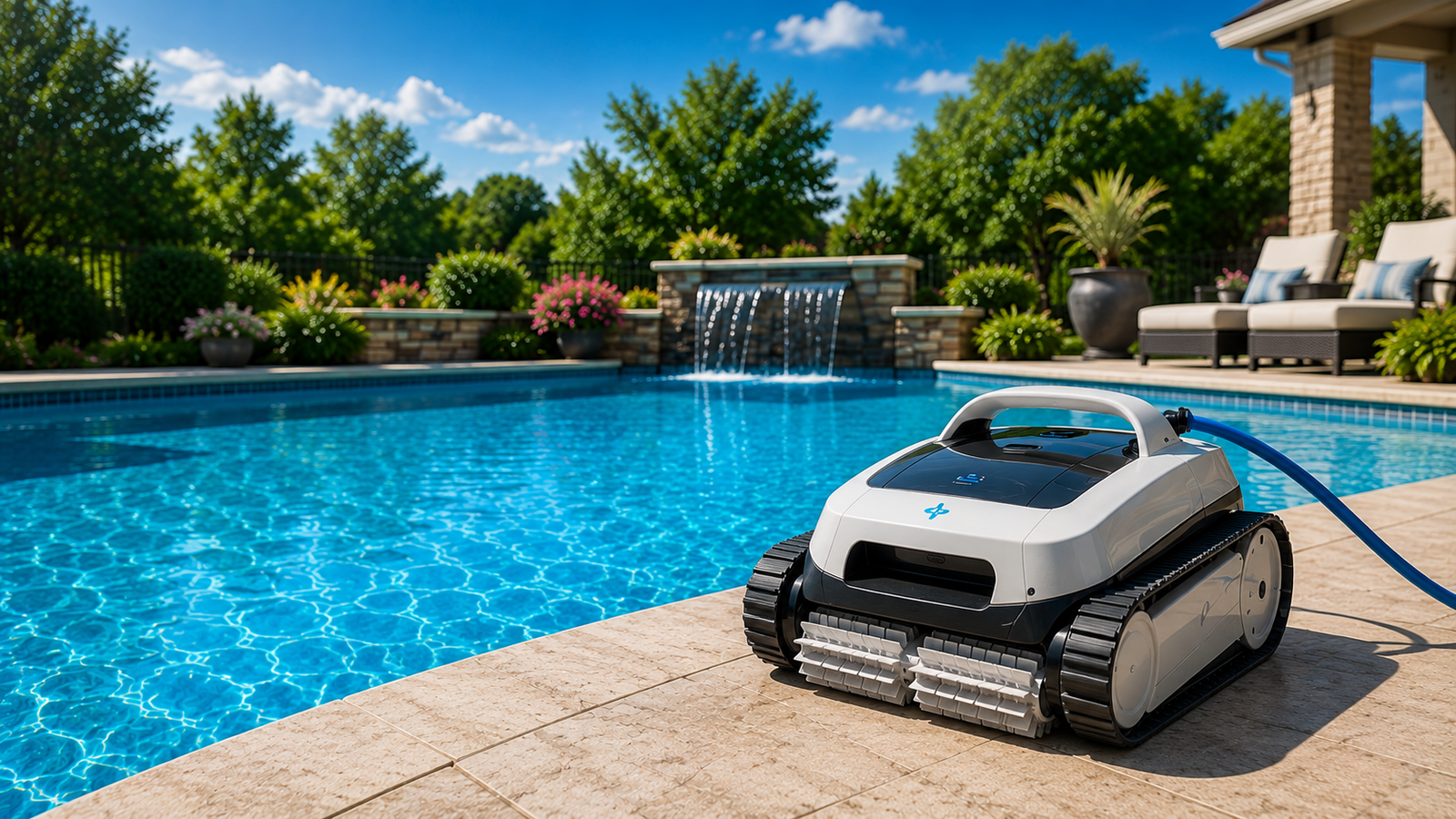
What to compare first
Compare robotic, suction-side and pressure-side pool cleaners by debris pickup, coverage, energy use, maintenance, installation and total cost.
Robotic
Independent motor and filter; often offers the broadest feature set.
Suction-side
Simple cleaner that relies on pump suction and the main filter.
Pressure-side
Uses return pressure and often collects debris in an onboard bag.
Start with the guide that matches your decision
Use this index to move from a broad overview to the specific sizing, compatibility or comparison question you need to solve. Each linked page is part of the approved Pool Equipment Guide content map.
Understand the main options
| Option | What distinguishes it | Focus | Current selection |
|---|---|---|---|
| Robotic | Uses onboard filtration and powered drive. | Key distinction | View Options |
| Suction-side | Uses pump suction and sends debris toward the pool filter. | Key distinction | View Options |
| Pressure-side | Uses return-side water pressure and commonly has an onboard debris bag. | Key distinction | View Options |
Choose by compatibility before features
Define the job
Write down the pool type, size, climate, debris or heating load, and the result the equipment must deliver.
Verify the system
Check plumbing, flow, electrical service, control compatibility, physical space and manufacturer requirements.
Compare daily operation
Consider schedules, cleaning steps, noise, water use, energy demand and how often you will interact with the equipment.
Plan for service
Look at access, consumables, replacement parts, winterization and the availability of qualified service where needed.
Compare more than the purchase price
Installation, operating energy, water use, cleaning frequency, consumables and repair access can change the practical value of pool equipment. Use Robotic vs Suction Cleaners for the broad decision, then narrow the choice with Robotic vs Pressure-Side Cleaners and Corded vs Cordless Robots.
Common comparison errors
Frequently asked questions
Which cleaner has the lowest impact on the main pool filter?
Robotic and many pressure-side cleaners collect debris onboard, while suction cleaners send debris through the pool’s suction path and filter.
Which cleaner is easiest to install?
Robotic cleaners usually require minimal plumbing setup, though they need a power source or charging. Suction and pressure cleaners depend on compatible pool connections.
Which type is best for large leaves?
Pressure-side cleaners and robots with large baskets are often considered for leaf-heavy pools. Intake design and container capacity matter more than category alone.
Do pressure-side cleaners need a booster pump?
Some do and some use existing return pressure. Check the exact model and plumbing requirements before buying.
Which cleaner is most energy efficient?
It depends on the cleaner and how the circulation pump is operated. A robotic cleaner uses its own motor, while suction and pressure systems may require the pool pump or booster pump to run.
Can all cleaner types climb walls?
No. Wall and waterline performance is model-specific and affected by surface, shape and water chemistry.
What maintenance differs between types?
Robots need filter cleaning and cable or battery care; suction cleaners add load to baskets and filters; pressure cleaners need bag, hose and sometimes booster-pump maintenance.
How should I compare total cost?
Include cleaner price, required pump run time, booster equipment, replacement hoses or brushes, filter cleaning and expected service parts.
Use the specific guide for your pool
Begin with compatibility and the actual job the equipment must perform. Then compare operating demands and ownership cost before selecting a product category.