
Best Smart Pool Monitors
Compare smart pool monitors by sensors, pH and sanitizer tracking, app alerts, subscription needs, installation and ongoing calibration requirements.
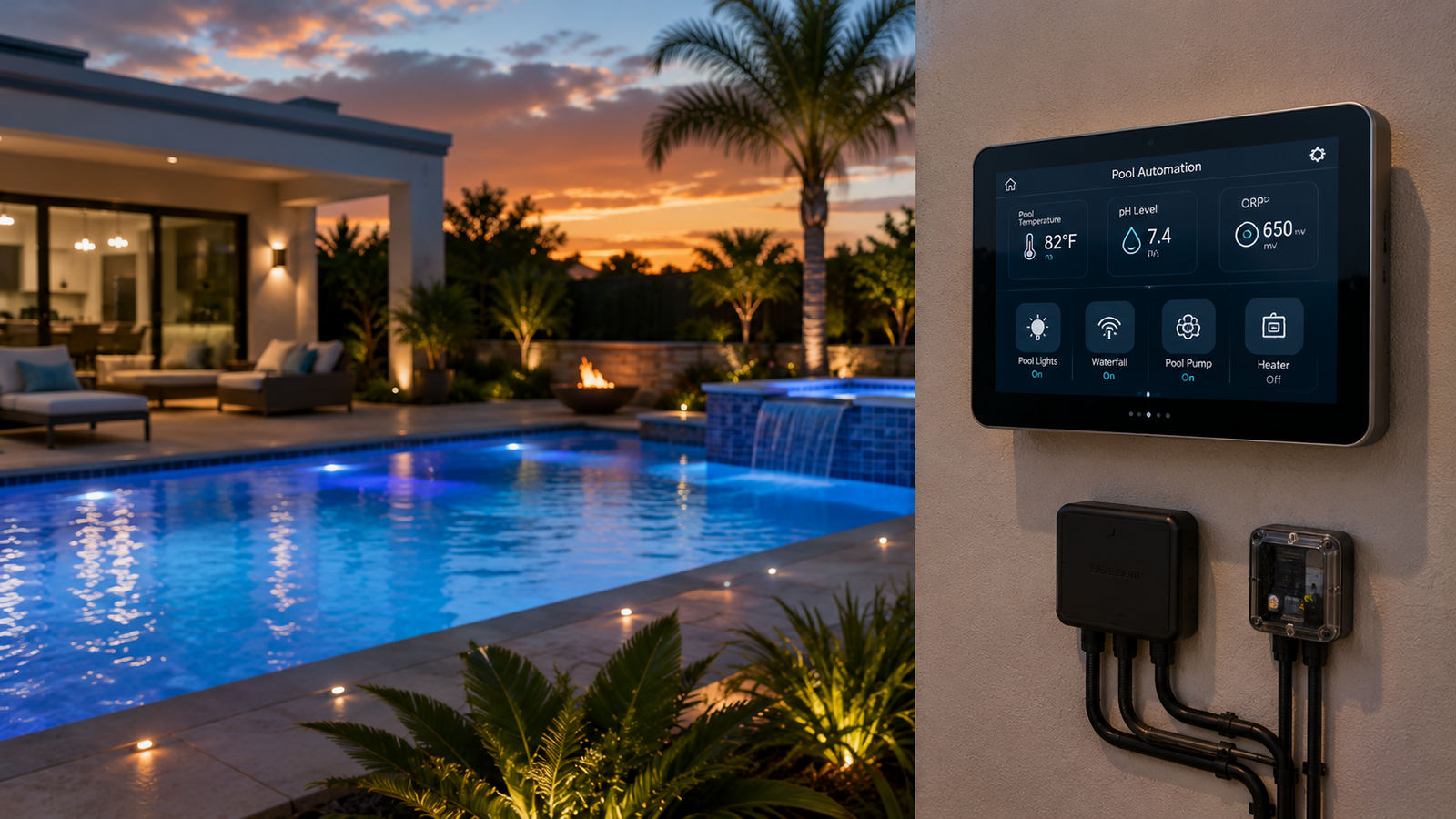
Three priorities to decide first
An expert comparison of the best smart pool monitors, focused on performance, compatibility, operating costs, maintenance, installation and value.
Best for trend awareness
Confirm whether the device directly measures pH, ORP, temperature or conductivity.
View Available OptionsBest for remote alerts
Sensors need practical calibration and replacement support.
View Available OptionsBest as a supplement to manual testing
Salt, sanitizer type and placement can affect readings.
View Available OptionsWhat matters most
Some monitors directly sense pH, ORP and temperature; others estimate chemistry from limited inputs or user-entered test results. Read the sensor specification carefully.
Compare these factors
Measured parameters
Confirm whether the device directly measures pH, ORP, temperature or conductivity.
Calibration process
Sensors need practical calibration and replacement support.
Water compatibility
Salt, sanitizer type and placement can affect readings.
App usefulness
Trend charts and actionable alerts matter more than novelty.
How to choose confidently
Know what is truly measured
Some monitors directly sense pH, ORP and temperature; others estimate chemistry from limited inputs or user-entered test results. Read the sensor specification carefully.
Use trends, not blind dosing
Connected monitors are strongest at showing direction and alerting to unusual change. Confirm important readings with a reliable drop-based or photometric test before making large chemical adjustments.
Plan calibration and sensor replacement
Electrochemical probes drift and age. A useful monitor should have clear calibration steps, available standards, replaceable probes and realistic storage requirements.
Check connectivity and placement
Floating, in-line and equipment-pad designs have different tradeoffs. Confirm Wi-Fi or gateway range, water compatibility, winter storage and whether the device can remain in the pool during cleaning or swimming.
Plan beyond the purchase price
Confirm plumbing, electrical, bonding, control, flow and service-space requirements before ordering. Follow the specific installation manual and use qualified professionals for line-voltage, gas, chemical-feed or code-regulated work.
Common purchasing errors
Frequently asked questions
Can a smart monitor replace manual pool testing?
It should supplement, not completely replace, periodic verification with a trusted test method.
What is ORP?
Oxidation-reduction potential is an indirect indicator related to sanitizer activity, not a direct free-chlorine reading.
How often do sensors need calibration?
Follow the device schedule and recalibrate when readings drift or after storage.
Do smart monitors measure alkalinity or hardness?
Many do not measure these directly, so manual testing remains necessary.
Can they work in saltwater pools?
Some can, but verify the approved salinity range and sensor design.
Where should a monitor be placed?
Follow the manufacturer location guidance and avoid areas that distort readings, such as directly beside chemical returns.
What happens when Wi-Fi fails?
Some devices log locally and sync later; others lose alerts. Check the product behavior.
How long do probes last?
Probe life varies with chemistry, storage and maintenance, so replacement availability is important.
Related Pool Equipment Guide resources
Choose the system that fits the whole pool
The strongest choice is the one that matches actual pool volume, hydraulics, climate, equipment controls and maintenance preferences. Confirm the current manufacturer documentation and installer requirements before purchase.