
Pool Pump Comparisons
Compare single-speed, two-speed and variable-speed pool pumps by required flow, hydraulic efficiency, noise, control flexibility and operating cost.
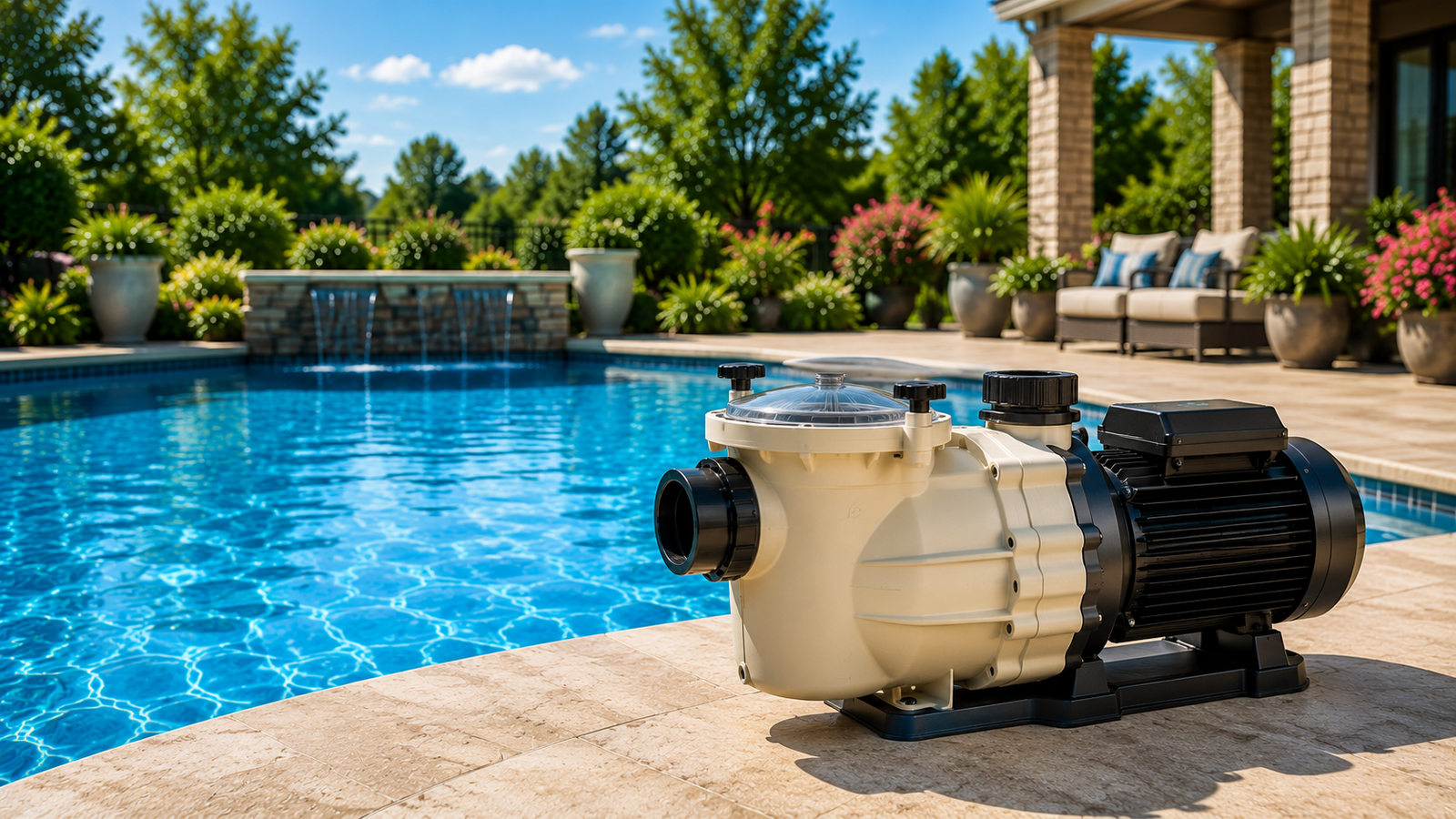
What to compare first
Compare pool pumps by speed type, flow performance, noise, controls, energy use, installation requirements and long-term operating cost.
Size by flow
Use the circulation and feature flow requirements plus total dynamic head.
Prioritize efficient operation
Variable-speed pumps can run longer at lower speeds for filtration and increase speed only when needed.
Check controls
Automation compatibility, voltage and available schedules affect real-world usefulness.
Start with the guide that matches your decision
Use this index to move from a broad overview to the specific sizing, compatibility or comparison question you need to solve. Each linked page is part of the approved Pool Equipment Guide content map.
Understand the main options
| Option | What distinguishes it | Focus | Current selection |
|---|---|---|---|
| Single-speed | Runs at one fixed motor speed whenever on. | Key distinction | View Options |
| Two-speed | Offers a low and high setting for basic flexibility. | Key distinction | View Options |
| Variable-speed | Allows multiple programmed speeds to match filtration and water-feature demands. | Key distinction | View Options |
Choose by compatibility before features
Define the job
Write down the pool type, size, climate, debris or heating load, and the result the equipment must deliver.
Verify the system
Check plumbing, flow, electrical service, control compatibility, physical space and manufacturer requirements.
Compare daily operation
Consider schedules, cleaning steps, noise, water use, energy demand and how often you will interact with the equipment.
Plan for service
Look at access, consumables, replacement parts, winterization and the availability of qualified service where needed.
Compare more than the purchase price
Installation, operating energy, water use, cleaning frequency, consumables and repair access can change the practical value of pool equipment. Use Variable-Speed vs Single-Speed Pumps for the broad decision, then narrow the choice with Pool Pump Sizing Guide and Best Variable-Speed Pool Pumps.
Common comparison errors
Frequently asked questions
Why can variable-speed pumps use less energy?
Pump power demand falls sharply as speed is reduced, so longer low-speed operation can be more efficient than short high-speed operation. Actual savings depend on programming and hydraulic needs.
What is weighted energy factor?
WEF is an efficiency metric for dedicated-purpose pool pumps expressed in thousands of gallons moved per kilowatt-hour. Higher values indicate more water moved per unit of energy under the test procedure.
Can I replace a single-speed pump with a variable-speed model?
Often yes, but voltage, plumbing, motor capacity, control wiring and physical dimensions must be checked. The replacement should be commissioned with suitable speed schedules.
Is a larger pump quieter?
Not automatically. Noise depends on motor speed, installation, vibration isolation, hydraulic restriction and equipment condition.
How many hours should a variable-speed pump run?
There is no universal schedule. Run time should support sanitation, skimming, heating and features while meeting local requirements and water-quality needs.
Do water features need a separate pump speed?
Often they do. Spillovers, waterfalls, heaters and cleaners may need higher flow than normal filtration.
Can low speed damage a heater or salt system?
Equipment usually has minimum flow requirements. Program speeds high enough to satisfy flow switches and manufacturer specifications.
Should I compare horsepower or flow curves?
Flow curves and system head are more useful than horsepower alone because they show how the pump performs against actual plumbing resistance.
Use the specific guide for your pool
Begin with compatibility and the actual job the equipment must perform. Then compare operating demands and ownership cost before selecting a product category.