
All Pool Pumps
Explore pool pumps by speed type, pool application, flow needs, noise, efficiency and compatibility, with sizing guides and detailed comparisons.
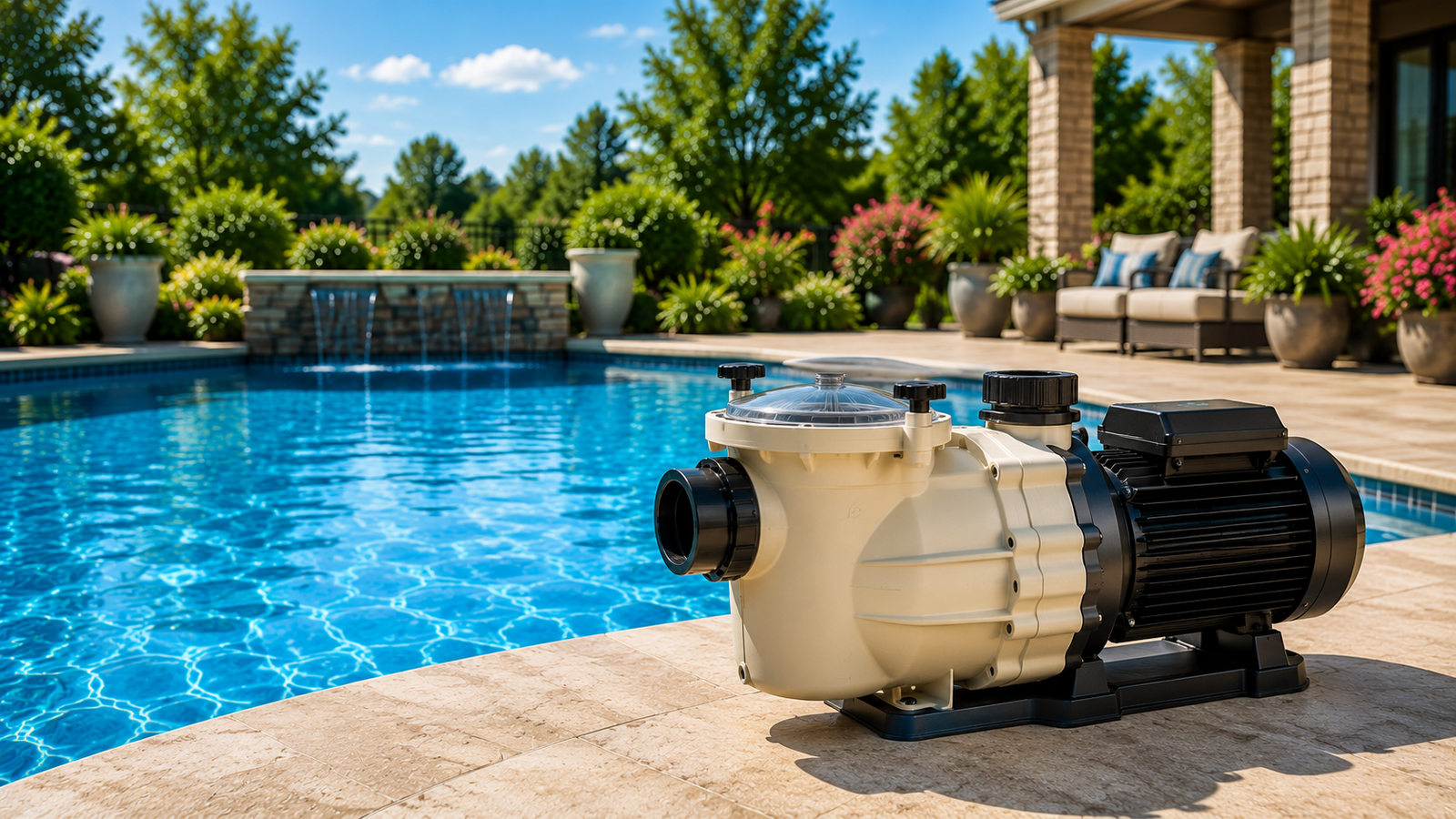
Pump selection starts with the system
Choose a pump by required flow, total dynamic head, plumbing size, filter limits, water-feature demands, automation compatibility, and local efficiency requirements—not horsepower alone.
Define the decision
Identify the pool, system, safety, maintenance, and budget constraints that can change the answer.
Check primary documentation
Use current manufacturer instructions and official guidance before purchase, installation, or service.
Use the linked guides
Move from overview information to the most relevant sizing, comparison, or maintenance page.
Choose the right path
Choose a pump by required flow, total dynamic head, plumbing size, filter limits, water-feature demands, automation compatibility, and local efficiency requirements—not horsepower alone.
Best Pool Pumps
Roundup options by pool type and system needs.
Variable-Speed Pool Pumps
Compare adjustable-speed models and controls.
Pump Sizing Guide
Estimate flow needs without oversizing.
Pump Buying Guide
Understand speed, plumbing, controls, and efficiency.
Variable vs Single Speed
Compare operation, noise, and energy use.
Pump Maintenance
Keep baskets, seals, ventilation, and flow in order.
What to verify before buying
System compatibility
Confirm pool type, surface, plumbing, electrical service, control system, equipment-pad space, and manufacturer limits.
Correct sizing
Use measured pool and system information rather than choosing by a single headline specification.
Ownership work
Compare cleaning, winterization, storage, replacement parts, service access, and routine inspection.
Safety and codes
Follow current manuals and local requirements for installation, barriers, electrical, gas, bonding, and operation.
Frequently asked questions
What size pool pump do I need?
Size the pump around the flow required for circulation and attached features, then verify total dynamic head, plumbing size, filter limits, and equipment specifications. Oversizing can increase noise and energy use without improving water care.
Is a variable-speed pump worth considering?
Variable-speed pumps can run at lower speeds for routine circulation and higher speeds when features or cleaning require more flow. Actual savings depend on the hydraulic system, schedule, electricity rate, and setup.
Can a pump be too powerful for a filter?
Yes. The pump’s operating flow must remain within the filter, heater, sanitizer, and plumbing limits. A professional can verify the system curve and safe operating range.
How many hours should a pool pump run?
Runtime should be based on sanitation, skimming, heating, water features, chemical mixing, and local conditions rather than a single universal number. Lower-speed operation may require longer runtime while using less power.
What causes pool pump noise?
Common causes include air leaks, cavitation, blocked baskets, worn bearings, vibration, poor mounting, or operation outside the intended flow range.
Do I need a special pump for an above-ground pool?
Above-ground systems often use pumps designed for flooded-suction installation and different plumbing arrangements. Match the pump to the pool and equipment configuration.
Should pump horsepower be the main comparison?
No. Compare the pump curve, flow at expected head, speed control, efficiency rating, plumbing connections, automation compatibility, and service support.
Use the guide that matches your pool
Verify current specifications, compatibility, installation requirements, and seller terms before making a decision.