
Pool Pump Buying Guides
Browse pool pump buying guides covering variable-speed and single-speed models, pool size, flow rate, head pressure, noise and energy use.
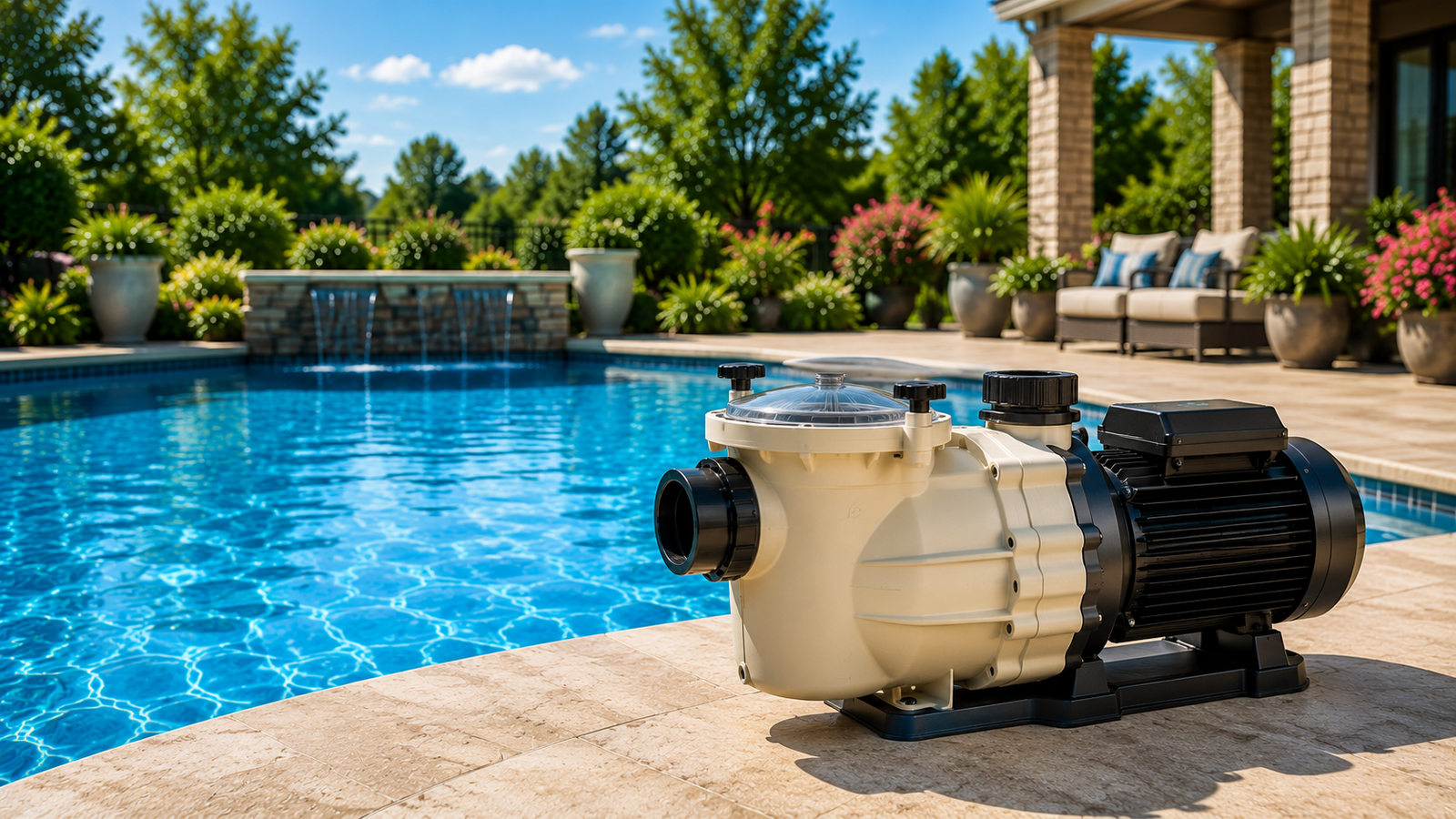
A practical route through pool pump buying guides
Pool pump selection starts with required flow at the system’s total dynamic head—not simply horsepower. Variable-speed pumps let owners reduce speed for routine filtration and increase it only for cleaners, heaters or water features that need more flow.
Define compatibility
Record pool type, dimensions, surface, plumbing, electrical service and existing equipment before comparing features.
Compare maintenance
Consider cleaning, consumables, service access, replacement parts and the skills required for safe upkeep.
Plan equipment together
Confirm that flow, controls, connections and operating ranges work with the rest of the pool system.
What this category covers
Use these sections to narrow the equipment or information path that fits your pool.
Variable-speed pumps
Adjust rpm for filtration, heating, cleaning and water-feature circuits.
Single- and two-speed replacements
Legacy approaches that may face efficiency or regulatory limitations depending on application.
Above-ground pumps
Designed around shorter plumbing runs and specific above-ground systems.
Booster and feature pumps
Serve pressure-side cleaners, spas or dedicated water features.
Pump controls and timers
Coordinate speeds and schedules with sanitation and heating.
Replacement motors and seals
Require exact compatibility with the wet end, voltage and service conditions.
What to verify before buying
Calculate system resistance
Use pipe size, length, fittings, elevation and equipment to estimate total dynamic head.
Confirm flow windows
Filters, heaters, chlorinators and cleaners each have operating requirements or limits.
Plan low-speed runtime
Longer operation at lower rpm can improve efficiency and skimming when properly configured.
Check electrical details
Verify voltage, breaker, conductor, bonding and control requirements with a qualified installer.
Compare the main decision areas
| Decision | What to check | Why it matters |
|---|---|---|
| Compatibility | Dimensions, voltage, connections, controls and operating range | Prevents mismatched equipment and unsupported features |
| Capacity | Pool volume, flow, load, climate and usage | Ensures the equipment can handle realistic peak demand |
| Maintenance | Cleaning steps, consumables, access and replacement parts | Shapes long-term cost and reliability |
| Installation | Plumbing, electrical, bonding, permits and qualified trades | Supports safe, code-compliant operation |
Use a system-first buying process
Begin with the pool and equipment-pad facts, then compare products that meet those constraints. Review manufacturer manuals before purchase because model families can differ in voltage, flow limits, installation clearances, communication protocols and maintenance procedures.
Common category-index mistakes
Frequently asked questions
How is a pool pump sized?
Size by the flow needed at the system’s total dynamic head while respecting filter, heater and plumbing limits. Horsepower alone is not a complete sizing method.
Why are variable-speed pool pumps efficient?
Pump power falls sharply as speed decreases, so routine circulation can often use much less energy at lower rpm.
Can a pool pump be too powerful?
Yes. Excess flow can increase noise, energy use and pressure and may exceed equipment or plumbing limits.
What is total dynamic head?
It represents the resistance the pump must overcome from pipe friction, fittings, elevation and connected equipment at a given flow.
How many hours should a pool pump run?
Runtime depends on sanitation, skimming, heating, debris and flow. Program enough circulation to meet water-quality needs rather than relying on one universal turnover rule.
Will a variable-speed pump work with an old filter?
Often yes, if the pump is programmed within the filter’s flow and pressure limits and the plumbing is compatible.
Should pump replacement include new unions and valves?
Serviceable unions and correctly sized valves can reduce restriction and make future maintenance easier, but changes should be planned for the existing plumbing layout.
Related Pool Equipment Guide resources
Build a compatible shortlist
Use the category map above to identify the right equipment type, then verify capacity, installation requirements and compatibility against current manufacturer documentation before purchasing.