
All Pool Heaters
Explore gas heaters, pool heat pumps and electric options with guidance on BTUs, climate, heat-up time, efficiency, installation and operating cost.
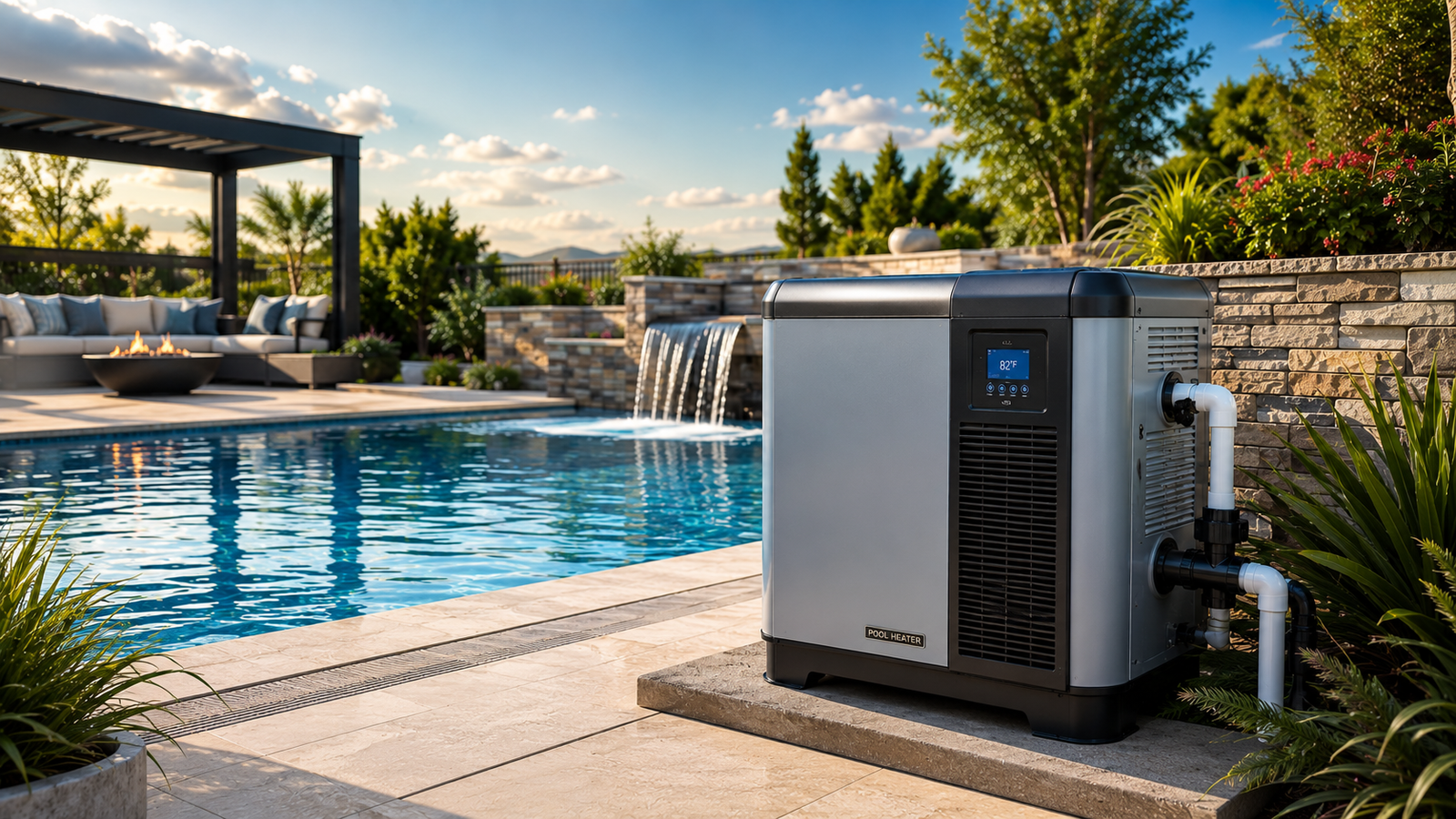
Match heat source to climate and use
Gas heaters favor rapid temperature rise and intermittent use; heat pumps generally favor efficient temperature maintenance in suitable air conditions. Sizing depends on pool surface area, desired rise, weather, wind, and heat loss.
Define the decision
Identify the pool, system, safety, maintenance, and budget constraints that can change the answer.
Check primary documentation
Use current manufacturer instructions and official guidance before purchase, installation, or service.
Use the linked guides
Move from overview information to the most relevant sizing, comparison, or maintenance page.
Choose the right path
Gas heaters favor rapid temperature rise and intermittent use; heat pumps generally favor efficient temperature maintenance in suitable air conditions. Sizing depends on pool surface area, desired rise, weather, wind, and heat loss.
Best Pool Heaters
Compare heating approaches by climate and use.
Pool Heat Pumps
Efficient temperature maintenance in suitable conditions.
Gas Pool Heaters
Fast heating for intermittent use.
Electric Pool Heaters
Review compact and niche applications.
Heater Sizing Guide
Estimate required output and heat loss.
Heat Pump vs Gas
Compare speed, climate sensitivity, and operating profile.
What to verify before buying
System compatibility
Confirm pool type, surface, plumbing, electrical service, control system, equipment-pad space, and manufacturer limits.
Correct sizing
Use measured pool and system information rather than choosing by a single headline specification.
Ownership work
Compare cleaning, winterization, storage, replacement parts, service access, and routine inspection.
Safety and codes
Follow current manuals and local requirements for installation, barriers, electrical, gas, bonding, and operation.
Frequently asked questions
How do I choose between gas and a heat pump?
Choose based on climate, desired heating speed, usage pattern, fuel availability, electrical capacity, and operating goals. Gas often heats faster; heat pumps generally work best when maintaining temperature in suitable air conditions.
What size pool heater do I need?
Sizing considers pool surface area, desired temperature rise, air temperature, wind, humidity, heat-up time, and cover use. Manufacturer sizing tools or a qualified installer should confirm the result.
Does a pool cover reduce heating cost?
A cover can reduce evaporation and heat loss when used correctly. The effect depends on weather, cover type, fit, and how consistently it is used.
Can a heater be installed without a professional?
Gas, high-voltage electrical, venting, bonding, plumbing, and code requirements make professional installation appropriate in many cases. Follow the manufacturer and local authority requirements.
Why does a heat pump work more slowly in cool weather?
A heat pump transfers heat from outdoor air, so available capacity and efficiency generally decline as air temperature falls.
Can pool chemistry damage a heater?
Improper pH, sanitizer levels, flow, or chemical-feeder placement can damage heat exchangers and other components. Follow the heater and chemical-system instructions.
Should I heat the pool continuously?
The best schedule depends on use, climate, heater type, cover use, and energy rates. Maintaining temperature may suit frequent use, while setback can suit longer idle periods.
Use the guide that matches your pool
Verify current specifications, compatibility, installation requirements, and seller terms before making a decision.