
Best DE Pool Filters
Compare DE pool filters by filtration performance, grid design, flow capacity, cleaning requirements, operating pressure and long-term maintenance.
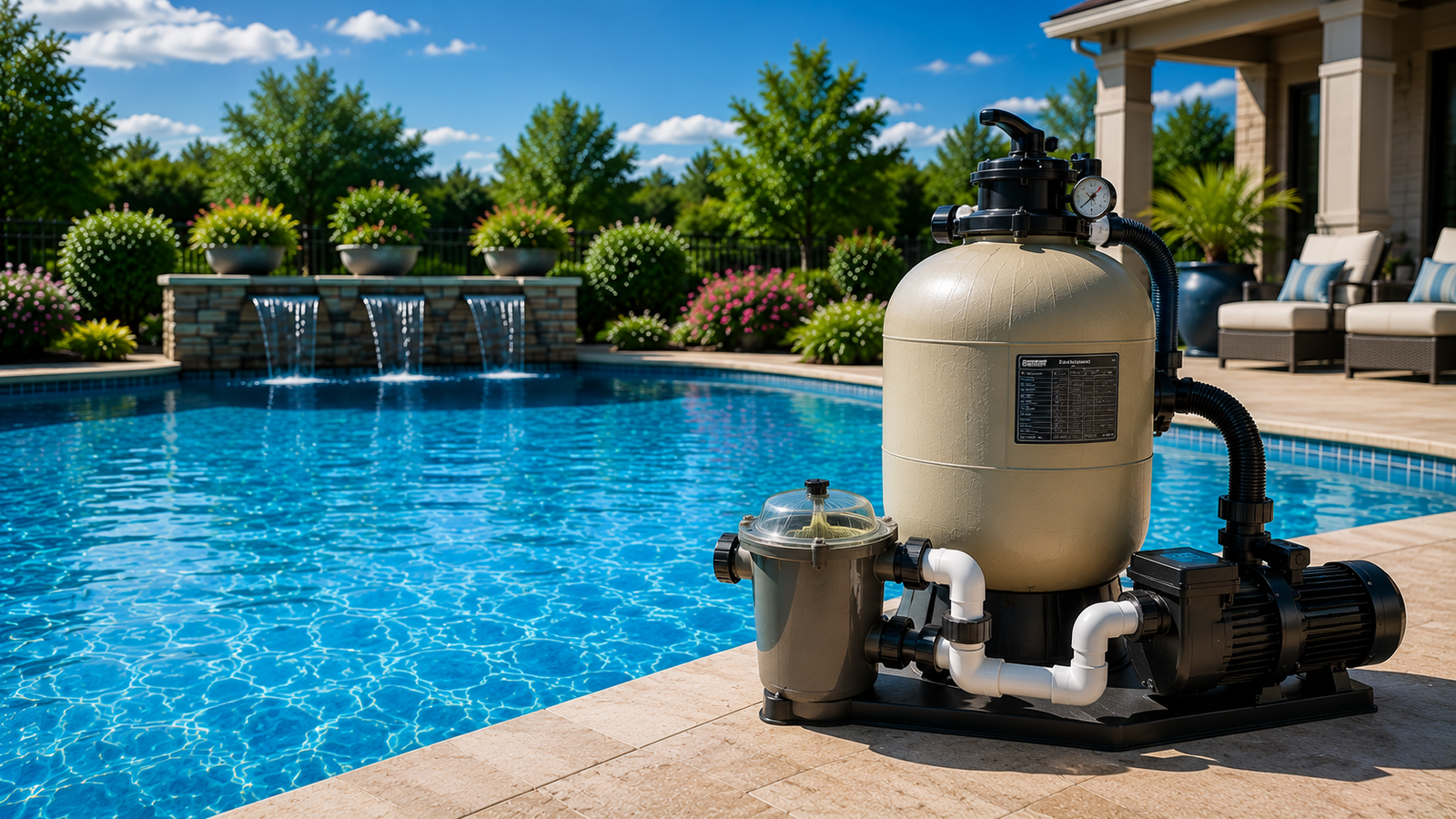
Start with the right decision factors
Use these priorities before comparing secondary features or brand claims.
Typically the finest of the three main types
Requires correct DE coating
View Available OptionsLarger area can extend cycles
Needs more service space
View Available OptionsBackwash and recharge or full teardown
Follow the exact manual procedure
View Available OptionsWhat should you choose?
Compare the important factors
| Factor | Best fit or first choice | What to know |
|---|---|---|
| Filtration fineness | Typically the finest of the three main types | Requires correct DE coating |
| Grid area | Larger area can extend cycles | Needs more service space |
| Cleaning method | Backwash and recharge or full teardown | Follow the exact manual procedure |
| DE handling | Measure the specified charge | Avoid inhaling dust and improper disposal |
| Best fit | High clarity goals and committed maintenance | Not ideal for owners avoiding media handling |
How to make the right choice
How DE filtration works
Pool water passes through fabric-covered grids coated with DE. The coating forms the filtering layer and must be restored after cleaning.
Select adequate area
Larger square footage can hold more debris before pressure rises, provided the pump and plumbing are compatible.
Recharge accurately
Use the amount printed on the filter label or manual. Too little can expose grids; too much can cause restriction and waste.
Inspect grids and manifolds
Tears, cracks or poor seating can send DE back to the pool. Replace damaged components before operation.
Handle waste responsibly
Follow local requirements for backwash and spent DE. Use appropriate protection and avoid breathing dry powder.
Common buying mistakes
Related Pool Equipment Guide pages
Frequently asked questions
How do I know whether a DE pool filter is compatible with my pool?
Check the manufacturer specifications for pool volume, plumbing size, design flow, surface type and equipment-pad limits. Match those requirements to the existing system before ordering.
Can a DE pool filter be oversized?
Yes. Oversizing can create unnecessary cost, excessive flow or awkward maintenance. Selection should be based on required flow and system resistance rather than the largest advertised capacity.
Does a DE pool filter require professional installation?
Electrical, plumbing or pressure-vessel work should be handled by a qualified pool professional where required. Simple cartridge cleaning and routine inspections can usually be handled by an owner following the manual.
How often should a DE pool filter be maintained?
Use pressure rise, flow reduction and the manufacturer schedule rather than a fixed calendar alone. Debris load, swim season and landscaping can change the maintenance interval substantially.
Will a DE pool filter lower operating costs?
It may when it reduces restriction, avoids unnecessary pump speed or extends cleaning intervals. Actual savings depend on pump settings, run time, local electricity and water costs, and system condition.
What measurements should I collect before buying a DE pool filter?
Record pool volume, pipe size, equipment location, current model information and normal operating pressure. For pumps, estimate total dynamic head; for filters, confirm design flow and available pad space.
Can I replace only one part of the system with a DE pool filter?
Often yes, but the replacement must remain compatible with the pump, filter, heater, sanitizer and automation. A change in one component can alter system flow or pressure.
Choose by hydraulic fit and maintenance needs
DE filters are best for owners who prioritize very fine filtration and accept the additional work of backwashing or teardown, recharging the correct DE amount and inspecting grids. Choose by filter area, design flow, service clearance and local rules for DE waste handling. Confirm the final selection with current manufacturer documentation and use qualified installation for electrical, plumbing or pressure-vessel work.