
Best Pool Filters for Above-Ground Pools
Compare above-ground pool filters by flow rate, pump compatibility, tank or cartridge size, setup, maintenance and suitability for common pool sizes.
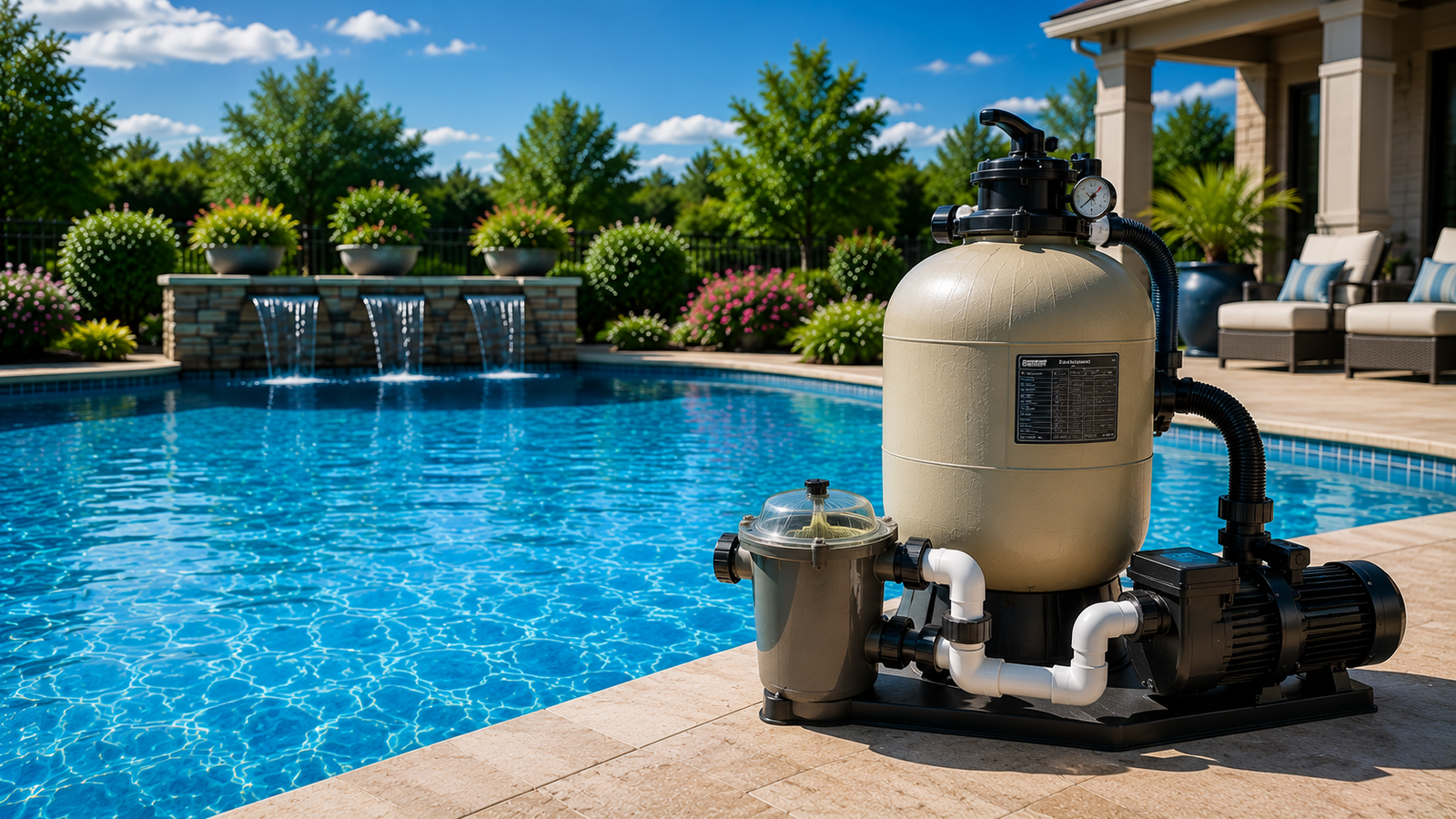
Start with the right decision factors
Use these priorities before comparing secondary features or brand claims.
Seasonal pools and low water waste
Requires element rinsing
View Available OptionsLarger above-ground pools and easy backwash operation
Needs discharge planning
View Available OptionsUse a matched system or verified flow range
Avoid excessive flow for small hoses
View Available OptionsWhat should you choose?
Compare the important factors
| Factor | Best fit or first choice | What to know |
|---|---|---|
| Cartridge system | Seasonal pools and low water waste | Requires element rinsing |
| Sand system | Larger above-ground pools and easy backwash operation | Needs discharge planning |
| Pump pairing | Use a matched system or verified flow range | Avoid excessive flow for small hoses |
| Connection size | Match hose and return fittings | Adapters can add restriction and leaks |
| Winter storage | Consider drainability and component weight | Follow freeze-protection instructions |
How to make the right choice
Use above-ground-rated equipment
Many above-ground pumps are not self-priming and must sit below water level. Do not substitute an inground design without confirming the full installation.
Match the pool and hoses
Small hoses and fittings limit practical flow. A larger pump may add pressure without improving filtration.
Choose seasonal service needs
Cartridge units can be easy to drain and store. Sand systems are heavier but can simplify routine cleaning during the season.
Confirm electrical safety
Use a properly protected outdoor circuit, bonding where required and manufacturer-specified placement. Keep cords and connections away from water.
Plan winterization
Drain the tank, pump and hoses according to the manual. Freezing water can crack housings, valves and gauges.
Common buying mistakes
Related Pool Equipment Guide pages
Frequently asked questions
How do I know whether an above-ground pool filter is compatible with my pool?
Check the manufacturer specifications for pool volume, plumbing size, design flow, surface type and equipment-pad limits. Match those requirements to the existing system before ordering.
Can an above-ground pool filter be oversized?
Yes. Oversizing can create unnecessary cost, excessive flow or awkward maintenance. Selection should be based on required flow and system resistance rather than the largest advertised capacity.
Does an above-ground pool filter require professional installation?
Electrical, plumbing or pressure-vessel work should be handled by a qualified pool professional where required. Simple cartridge cleaning and routine inspections can usually be handled by an owner following the manual.
How often should an above-ground pool filter be maintained?
Use pressure rise, flow reduction and the manufacturer schedule rather than a fixed calendar alone. Debris load, swim season and landscaping can change the maintenance interval substantially.
Will an above-ground pool filter lower operating costs?
It may when it reduces restriction, avoids unnecessary pump speed or extends cleaning intervals. Actual savings depend on pump settings, run time, local electricity and water costs, and system condition.
What measurements should I collect before buying an above-ground pool filter?
Record pool volume, pipe size, equipment location, current model information and normal operating pressure. For pumps, estimate total dynamic head; for filters, confirm design flow and available pad space.
Can I replace only one part of the system with an above-ground pool filter?
Often yes, but the replacement must remain compatible with the pump, filter, heater, sanitizer and automation. A change in one component can alter system flow or pressure.
Choose by hydraulic fit and maintenance needs
For an above-ground pool, choose a matched pump-and-filter system sized to the pool volume, hose diameter and expected debris. Cartridge systems reduce water loss and simplify seasonal setups, while sand systems offer familiar backwashing for larger permanent above-ground pools. Confirm the final selection with current manufacturer documentation and use qualified installation for electrical, plumbing or pressure-vessel work.