
Weekly Pool Maintenance Checklist
A consistent weekly routine prevents debris, chemistry drift and restricted circulation from becoming larger problems. Increase frequency during storms, heavy use, high heat or leaf season.
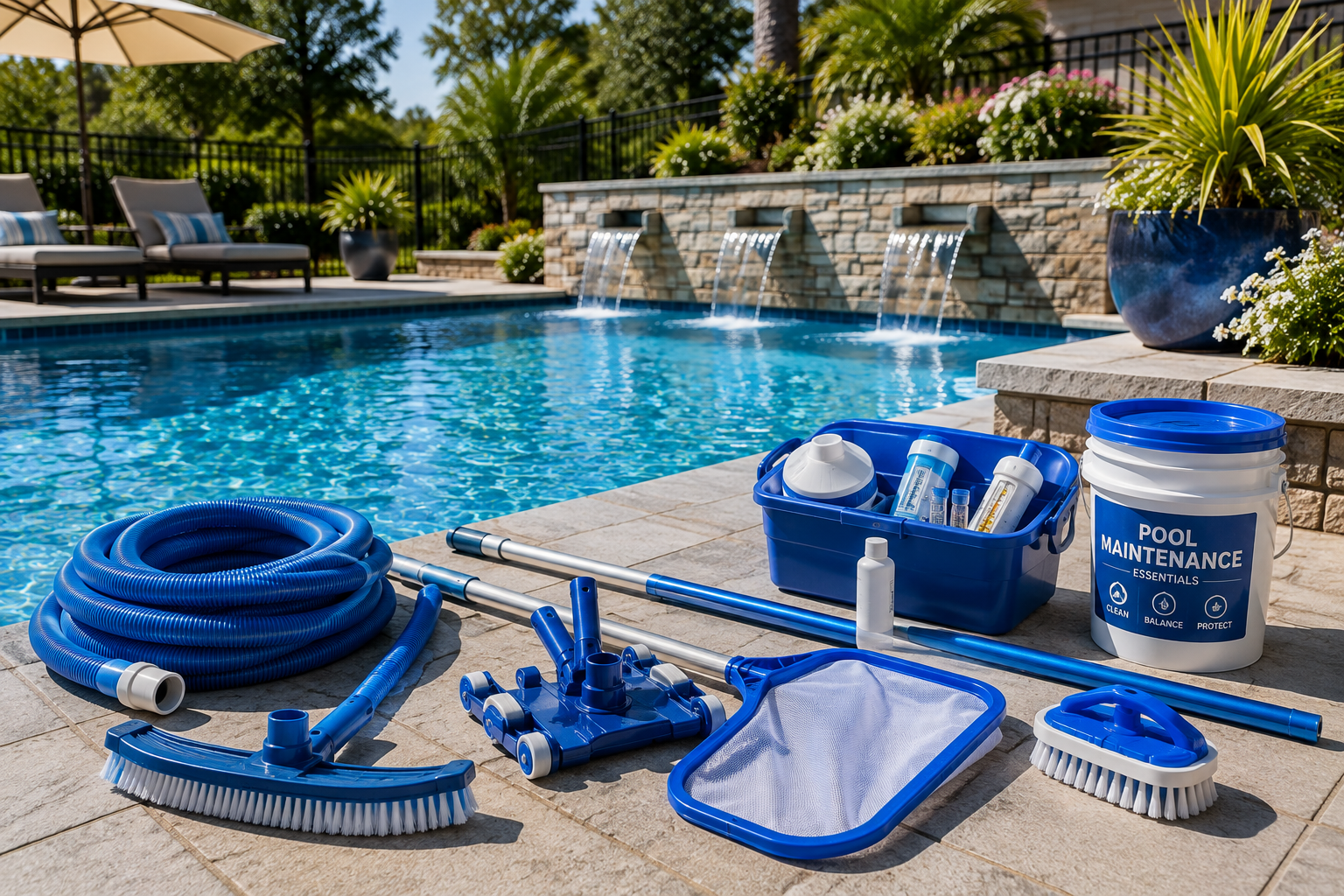
What to focus on
Use these priorities to organize the task, then confirm product-specific procedures in the equipment manuals.
Test the water
Check disinfectant and pH regularly, with broader balance tests based on the pool and sanitation system.
Remove debris
Empty baskets, skim the surface, brush walls and clean the waterline before debris settles.
Verify circulation
Observe return flow, pump prime and filter pressure against the clean-system baseline.
At-a-glance checklist
| Area | Main decision or task | What to verify |
|---|---|---|
| Water test | Disinfectant and pH; broader tests as needed | Record results before dosing |
| Surface cleaning | Skim, brush and clean waterline | Focus on steps, corners and low-flow areas |
| Floor cleaning | Vacuum or run cleaner | Empty cleaner filters or bags afterward |
| Circulation check | Baskets, prime, returns and pressure | Investigate changes from normal |
| Equipment pad | Leaks, noise, corrosion and alerts | Correct small issues early |
Weekly Pool Maintenance Checklist: practical steps
How to use this guide
Test the water
Check disinfectant and pH regularly, with broader balance tests based on the pool and sanitation system.
Remove debris
Empty baskets, skim the surface, brush walls and clean the waterline before debris settles.
Verify circulation
Observe return flow, pump prime and filter pressure against the clean-system baseline.
Inspect equipment
Look for leaks, unusual noise, error messages, damaged cords and blocked ventilation.
Common problems to prevent
Frequently asked questions
Is once a week enough for pool maintenance?
Weekly is a useful full-service interval, but disinfectant, pH, water level and debris may need attention more often in hot weather, after storms or during heavy use.
What water levels should I test weekly?
Disinfectant and pH are core routine checks. Depending on sanitizer, surface and fill water, also monitor alkalinity, calcium hardness, cyanuric acid and salt at appropriate intervals.
Should I brush the pool every week?
Weekly brushing is a practical baseline for most pools. Give extra attention to steps, corners, tile lines, ladders and areas with weak circulation.
How often should I vacuum the pool?
Vacuum when visible debris accumulates or after brushing. Pools under trees or with frequent use may need more than one cleaning per week.
What should normal filter pressure be?
There is no universal number. Record the pressure when the filter is clean and the system is operating normally, then follow the filter manual for cleaning based on pressure rise and flow.
Why is my pump basket filling with air?
Possible causes include low water, a skimmer vortex, loose lid, damaged O-ring, suction-side leak or blocked line. Turn off the pump if it loses prime and inspect safely.
Should I run my robotic cleaner every week?
Use frequency based on debris and the cleaner’s manual. Remove it after cycles when recommended, empty filters and inspect the cord, tracks and brushes.
What weekly issues require professional service?
Repeated breaker trips, gas odor, cracked filter components, exposed wiring, significant leaks, severe vibration or equipment that will not maintain prime should be evaluated promptly.
Related pool owner guides
Practical next step
The best weekly routine is repeatable and recorded: test, clean, verify flow, compare pressure and inspect the equipment pad. Those five steps catch most developing problems early.