
Energy Saving Academy
Reduce energy use through efficient pumping, heating, scheduling, covers and maintenance.
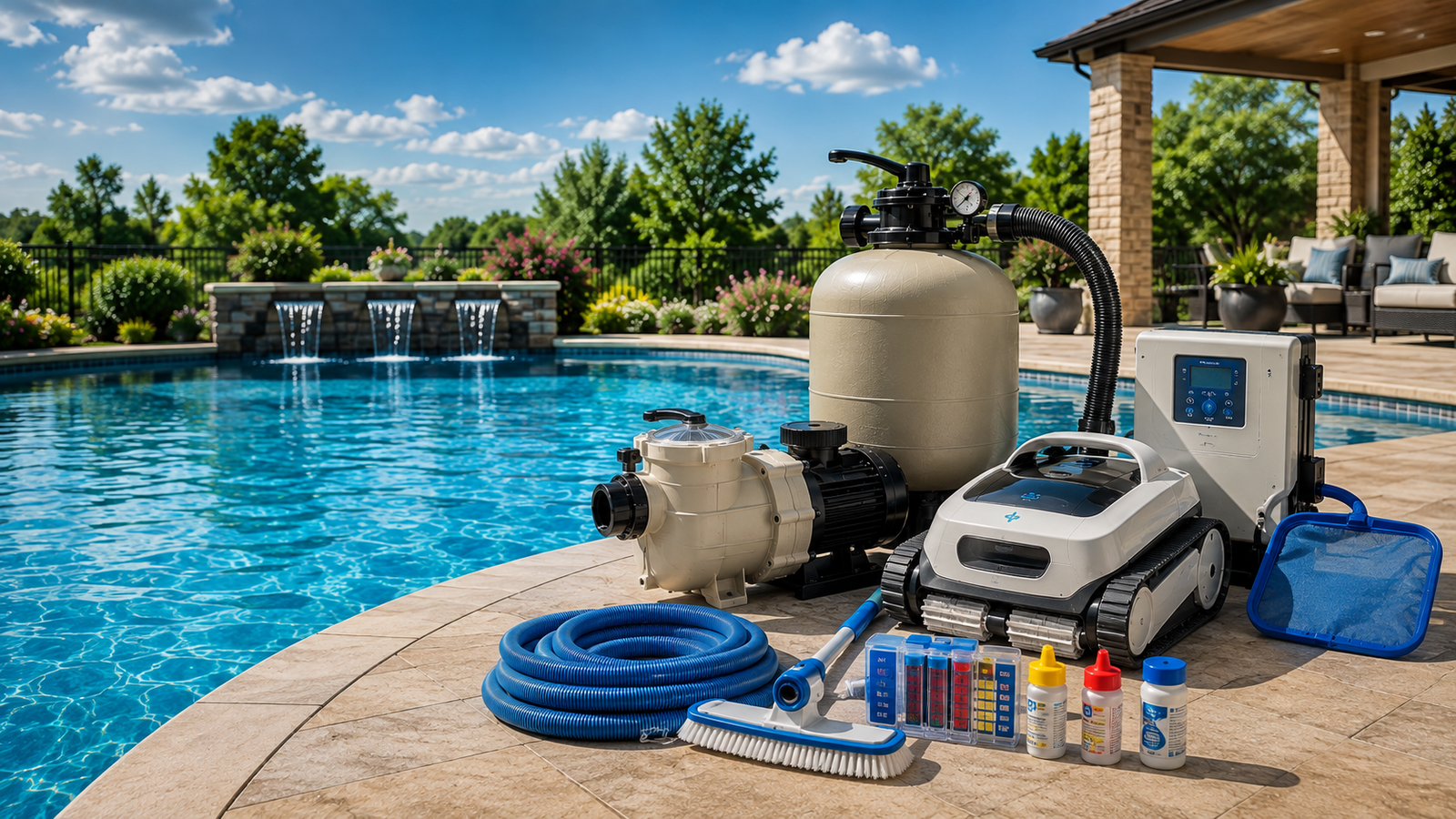
Use the right path for your pool
Start with measured conditions, system compatibility and the ownership task you want to improve.
Use the lowest effective speed
Match flow to filtration, heating and features.
View Available OptionsControl evaporation
Covers, lower set points and wind protection reduce demand.
View Available OptionsKeep flow paths clean
Dirty filters and blocked baskets increase effort.
View Available OptionsWhere should you begin?
Choose the right path
| Area | What it covers | Key decision |
|---|---|---|
| Pump operation | Speed and schedule | Run the lowest flow that completes the task |
| Heating | Set point and heat loss | Use covers and realistic schedules |
| Filtration | Clean pressure and resistance | Maintain filters and baskets |
| Automation | Coordinated schedules | Avoid unnecessary runtime |
| Lighting | Efficient fixtures and timing | Use LED and controlled runtime |
| Water features | High-flow demand | Schedule separately from filtration |
How to use this resource
Optimize pump speed
Optimize pump speed matters because it affects compatibility, operating conditions, maintenance effort and long-term system performance. Use exact-model documentation before making a final decision.
Schedule by function
Schedule by function matters because it affects compatibility, operating conditions, maintenance effort and long-term system performance. Use exact-model documentation before making a final decision.
Limit heat loss
Limit heat loss matters because it affects compatibility, operating conditions, maintenance effort and long-term system performance. Use exact-model documentation before making a final decision.
Maintain hydraulic efficiency
Maintain hydraulic efficiency matters because it affects compatibility, operating conditions, maintenance effort and long-term system performance. Use exact-model documentation before making a final decision.
Coordinate equipment
Coordinate equipment matters because it affects compatibility, operating conditions, maintenance effort and long-term system performance. Use exact-model documentation before making a final decision.
Measure results
Measure results matters because it affects compatibility, operating conditions, maintenance effort and long-term system performance. Use exact-model documentation before making a final decision.
Common owner and buying errors
Related Pool Equipment Guide resources
Frequently asked questions
What pool equipment uses the most energy?
Start with the pool’s measured conditions and the exact equipment documentation. Compatibility, operating conditions, maintenance and installation requirements matter more than a single headline feature.
Why are variable-speed pumps more efficient?
They let flow match the task. Lower-speed filtration can use much less power than continuous high-speed operation, while higher speed remains available for heating or water features.
Should I run the pool pump at the lowest speed possible?
Start with the pool’s measured conditions and the exact equipment documentation. Compatibility, operating conditions, maintenance and installation requirements matter more than a single headline feature.
How does a pool cover save energy?
A cover reduces evaporation, a major source of heat loss. It can also reduce debris and sometimes chemical demand.
Does a dirty filter increase energy use?
A restricted filter increases system resistance and can reduce flow. Clean it according to the pressure baseline and manufacturer instructions.
Is it cheaper to maintain temperature or reheat the pool?
Start with the pool’s measured conditions and the exact equipment documentation. Compatibility, operating conditions, maintenance and installation requirements matter more than a single headline feature.
Can automation reduce pool energy use?
Start with the pool’s measured conditions and the exact equipment documentation. Compatibility, operating conditions, maintenance and installation requirements matter more than a single headline feature.
How can I verify an efficiency upgrade worked?
Start with the pool’s measured conditions and the exact equipment documentation. Compatibility, operating conditions, maintenance and installation requirements matter more than a single headline feature.
Move from research to a verified plan
Reduce energy use through efficient pumping, heating, scheduling, covers and maintenance. Confirm final decisions against current manufacturer documentation and local requirements.