
Pool Equipment Maintenance Schedule
A good schedule combines frequent visual checks with pressure, flow and chemistry trends. Manufacturer manuals remain the source of truth because filter types, heaters, salt systems and climates require different intervals.
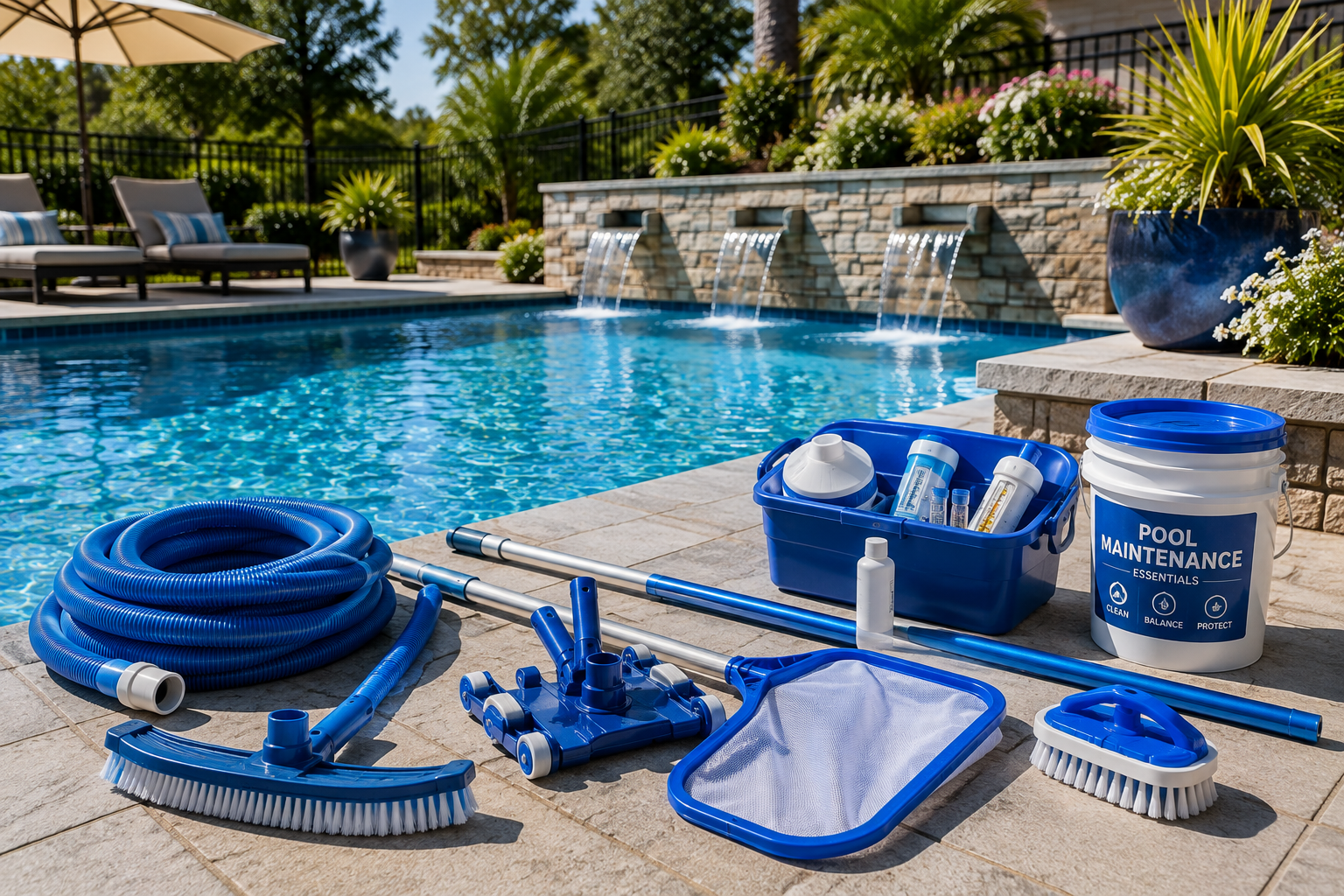
What to focus on
Use these priorities to organize the task, then confirm product-specific procedures in the equipment manuals.
Each use or several times weekly
Check water level, circulation, obvious leaks, debris and sanitizer or pH as appropriate for use.
Weekly
Empty baskets, brush, clean debris, inspect pressure and review pump or automation alerts.
Monthly
Inspect equipment, test broader water balance, review filter condition and clean sensors or cells only when required.
At-a-glance checklist
| Area | Main decision or task | What to verify |
|---|---|---|
| Water and circulation | Several times weekly or based on use | Level, clarity, sanitizer, pH and return flow |
| Baskets and surface debris | Weekly or more during heavy debris | Skimmer and pump baskets, waterline and deck |
| Filter | By pressure rise and manufacturer guidance | Pressure, flow, media or element condition |
| Heater and automation | Monthly visual; professional interval per manual | Leaks, errors, ventilation, sensors and schedules |
| Full equipment inspection | Seasonally or annually | Plumbing, valves, bonding, wiring, corrosion and leaks |
Pool Equipment Maintenance Schedule: practical steps
How to use this guide
Each use or several times weekly
Check water level, circulation, obvious leaks, debris and sanitizer or pH as appropriate for use.
Weekly
Empty baskets, brush, clean debris, inspect pressure and review pump or automation alerts.
Monthly
Inspect equipment, test broader water balance, review filter condition and clean sensors or cells only when required.
Seasonally or annually
Perform opening or closing tasks, inspect heaters and electrical systems, lubricate approved O-rings and replace worn parts.
Common problems to prevent
Frequently asked questions
How often should pool equipment be inspected?
Perform quick visual checks several times per week during the swimming season and a more deliberate equipment-pad inspection monthly. Increase frequency after storms, freezes, heavy use or an equipment alert.
When should I clean the pool filter?
Use the manufacturer’s instructions and the pressure increase from the clean baseline rather than a universal number. Reduced flow or a notable pressure change also warrants checking baskets and the filter.
How often should pool water be tested?
Testing frequency depends on use, climate and sanitation system. CDC advises home-pool owners to check disinfectant and pH regularly and follow the chemical or test-kit manufacturer’s instructions.
Should a pool pump basket be cleaned weekly?
Weekly is a practical baseline, but pools with heavy leaf or seed debris may need it more often. Always shut off the pump before opening the lid.
How often should a salt cell be cleaned?
Inspect according to the manufacturer’s schedule and clean only when scale is present or the manual directs it. Unnecessary acid cleaning can shorten cell life.
What maintenance does a pool heater need?
Keep the equipment area clear, maintain proper water flow and chemistry, and inspect for leaks, corrosion or errors. Fuel-burning heaters should be serviced at the interval specified by the manufacturer and local rules.
What should I record in a maintenance log?
Record chemistry results, clean filter pressure, pump schedules, salt-system output, heater or automation errors, service work and replacement parts.
When should I call a pool professional?
Call for gas odors, electrical damage, cracked filter tanks, repeated breaker trips, persistent leaks, failed bonding, major plumbing work or problems that remain after basic manual-guided checks.
Related pool owner guides
Practical next step
Use the calendar as a framework, then adjust for weather, debris, bather load and equipment behavior. The most valuable habit is recording normal pressure, flow, chemistry and operating schedules so changes are easy to spot.