
Best Energy-Efficient Pool Equipment
Efficiency comes from matching capacity and schedules to the pool, reducing hydraulic resistance and heat loss, and verifying real energy use.
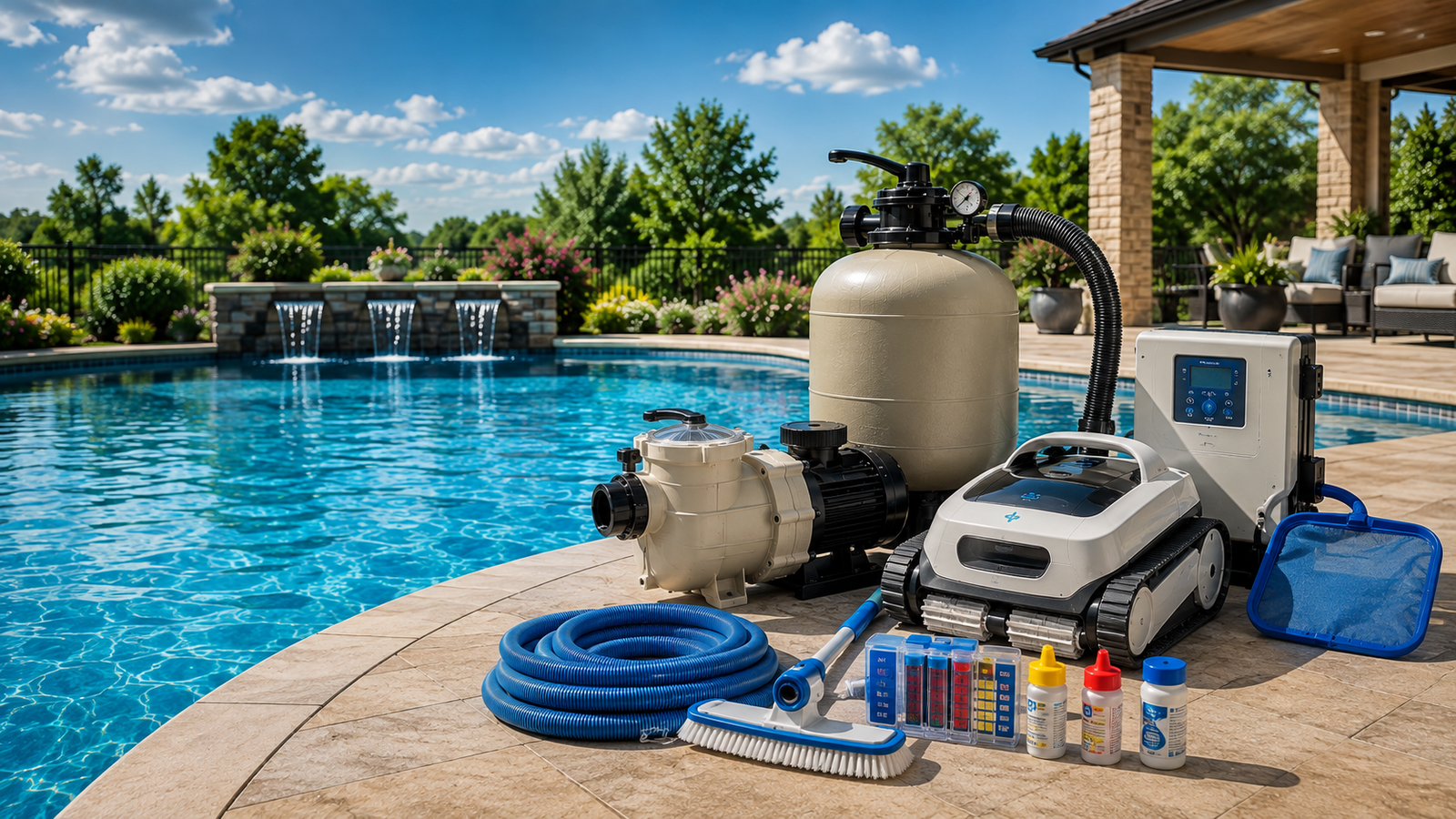
Top equipment priorities
Efficiency comes from matching capacity and schedules to the pool, reducing hydraulic resistance and heat loss, and verifying real energy use.
Variable-speed pump
Lower-speed filtration can reduce power when flow-dependent equipment still operates correctly.
Pool cover
Reducing evaporation can significantly cut water and heating demand.
Heat-pump heater
Can provide efficient steady heating in suitable air conditions.
Compare the leading equipment categories
| Category | Why it matters | Current options |
|---|---|---|
| Variable-speed pump | Lower-speed filtration can reduce power when flow-dependent equipment still operates correctly. | View Options |
| Pool cover | Reducing evaporation can significantly cut water and heating demand. | View Options |
| Heat-pump heater | Can provide efficient steady heating in suitable air conditions. | View Options |
| LED pool lighting | Uses less power than older incandescent lighting while offering long service life. | View Options |
| Automation and timers | Coordinates pump, heater, cleaner and lighting schedules to avoid unnecessary runtime. | View Options |
Best equipment categories to consider
1. Variable-speed pump
Best when this category matches the pool's actual requirements.
Lower-speed filtration can reduce power when flow-dependent equipment still operates correctly.
2. Pool cover
Best when this category matches the pool's actual requirements.
Reducing evaporation can significantly cut water and heating demand.
3. Heat-pump heater
Best when this category matches the pool's actual requirements.
Can provide efficient steady heating in suitable air conditions.
4. LED pool lighting
Best when this category matches the pool's actual requirements.
Uses less power than older incandescent lighting while offering long service life.
5. Automation and timers
Best when this category matches the pool's actual requirements.
Coordinates pump, heater, cleaner and lighting schedules to avoid unnecessary runtime.
How to choose correctly
Measure the baseline
Record current watts, runtime, fuel use and water temperature before changes.
Size correctly
Oversized equipment can cycle inefficiently; undersized equipment may run excessively.
Reduce resistance
Clean filters, open needed valves and correct restrictive plumbing problems.
Verify savings
Compare similar weather and use periods rather than relying on a generic percentage.
Common buying mistakes
Frequently asked questions
Which pool upgrade usually saves the most electricity?
For many pools, replacing inefficient single-speed circulation with a correctly programmed variable-speed pump is a major opportunity.
How does a pool cover save energy?
It reduces evaporation, which is a major source of pool heat and water loss.
Are heat-pump pool heaters efficient in cold weather?
Performance generally declines as outdoor air becomes colder. Use manufacturer performance data for the expected climate.
Do LED pool lights use less energy?
Yes, LED lighting generally uses less electricity than comparable incandescent pool lighting.
Can automation reduce operating cost?
It can prevent unnecessary runtime and coordinate equipment, but savings depend on programming and the previous operating pattern.
Does a larger filter improve efficiency?
More filter area can reduce pressure rise and service frequency when properly sized, but plumbing and flow still matter.
How should I compare pump efficiency?
Compare hydraulic performance, rated efficiency, measured watts at required flow and expected daily schedule.
What is the best way to prove savings?
Use pump power displays, utility bills or submeters and compare equivalent operating periods.
Related pool equipment guides
Match equipment to the complete pool system
Efficiency comes from matching capacity and schedules to the pool, reducing hydraulic resistance and heat loss, and verifying real energy use. Use manufacturer sizing data and qualified installation where required.