
Pool Cleaner Maintenance Guide
A cleaner-specific maintenance plan for robotic filters and cables, suction hoses and turbines, and pressure-side bags and drive parts.
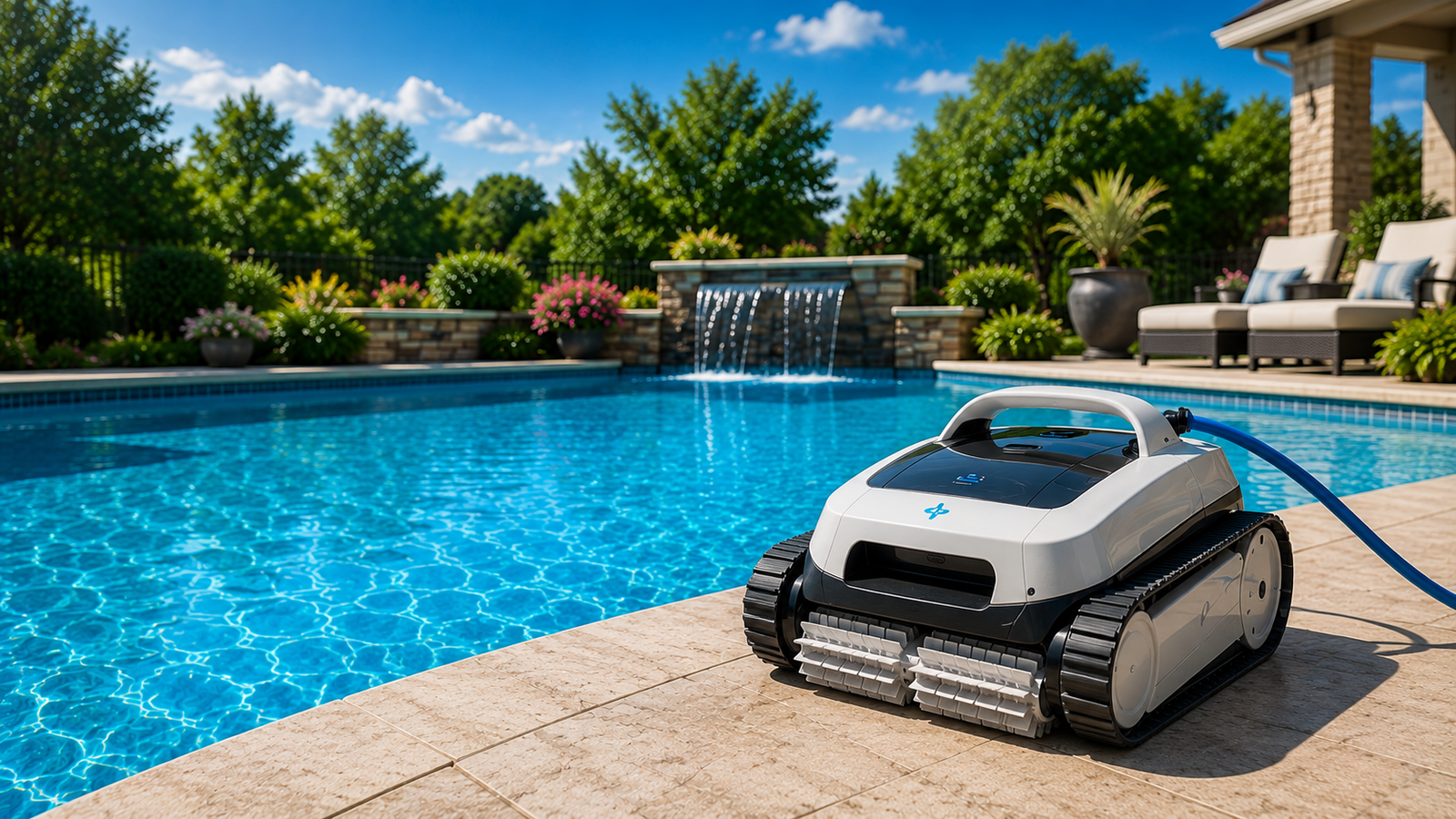
What pool owners should know first
The key principles below help separate routine ownership tasks from model-specific or professional service work.
Clean after the cycle
Remove debris before it dries or compacts in baskets, bags, hoses and moving parts.
Inspect wear surfaces
Brushes, tracks, tires, diaphragms, belts and tail scrubbers are consumable components.
Store correctly
Protect the cleaner, cable, hose and power components from prolonged UV exposure, freezing and chemical fumes.
Robotic cleaner care
Use these points as a practical decision and maintenance framework, then follow the exact manual for your equipment.
Filter basket or panels
Rinse after each cycle or as directed. Inspect for tears, warped frames and blocked fine media.
Brushes and tracks
Remove wrapped hair and fibers. Check brushes, rollers, tracks and wheels for uneven wear or binding.
Cable and power supply
Straighten the cable without sharp kinks, keep connectors dry as instructed and store the power supply in its approved location.
Suction cleaner care
Use these points as a practical decision and maintenance framework, then follow the exact manual for your equipment.
Hose sections
Inspect for splits, flattened sections and loose cuffs. Store straight or in the orientation recommended by the manufacturer.
Moving mechanism
Check diaphragms, turbines, shoes, wings and gears for debris and wear.
Flow path
Clean the cleaner throat, regulator, leaf canister, pump basket and filter when movement slows.
Pressure-side cleaner care
Use these points as a practical decision and maintenance framework, then follow the exact manual for your equipment.
Debris bag
Empty, rinse and inspect seams and attachment points.
Drive system
Inspect tires, wheels, bearings, belts, jets and sweep-hose components.
Feed hose
Check swivels, floats, wall fitting and hose connections for leaks or incorrect spacing.
Common mistakes to avoid
Frequently asked questions
How often should a pool cleaner be maintained?
Perform basic debris removal after each use and inspect wear parts regularly during the season. The exact interval depends on cleaner type, run frequency and debris load.
Can I use detergent to clean a robotic filter?
Use only methods approved in the manual. Plain water is commonly recommended; unapproved detergents can leave residue or damage filter media.
Why are robotic cleaner tracks coming off?
Debris, worn tracks, damaged pulleys or incorrect installation can cause derailment. Clean the drive area and compare wear parts with the manual before replacing them.
How do I keep a suction-cleaner hose from curling?
Store hose sections as directed, often straight and out of intense sun. Replace sections that have developed permanent bends or leaks.
Why does a pressure cleaner bag keep falling off?
Check that the bag is the correct part, fully seated and not overloaded. Inspect the collar, clip or attachment point for wear.
Should I remove the cleaner after every cycle?
Follow the product manual. Removal reduces unnecessary chemical and UV exposure and allows immediate filter or bag cleaning.
When should brushes or tires be replaced?
Replace them when worn beyond the manufacturer’s indicator, when traction declines or when damage causes uneven movement. Use model-specific parts.
Can cleaner maintenance improve coverage?
Yes. Correct flow, clean filtration, free-moving drive parts and properly arranged hoses or cables all influence navigation and pickup.
Related Pool Equipment Guide resources
Use the manual, verify conditions and make measured changes
A cleaner-specific maintenance plan for robotic filters and cables, suction hoses and turbines, and pressure-side bags and drive parts. Match every procedure to the exact equipment model, pool configuration and local requirements. Stop and use qualified service whenever the task involves hazardous voltage, gas, combustion, refrigerant, structural work or an unsafe chemical condition.