
Single-Speed vs Variable-Speed Pool Pumps
Single-speed pumps run at one fixed motor speed, while variable-speed pumps let you match flow to filtration, heating, cleaning and water-feature needs. The better choice depends on required flow, operating schedule, noise priorities and long-term electricity use.
Our quick recommendations
These three picks cover the most common buying priorities: balanced performance, value and premium features.
Single-speed pump
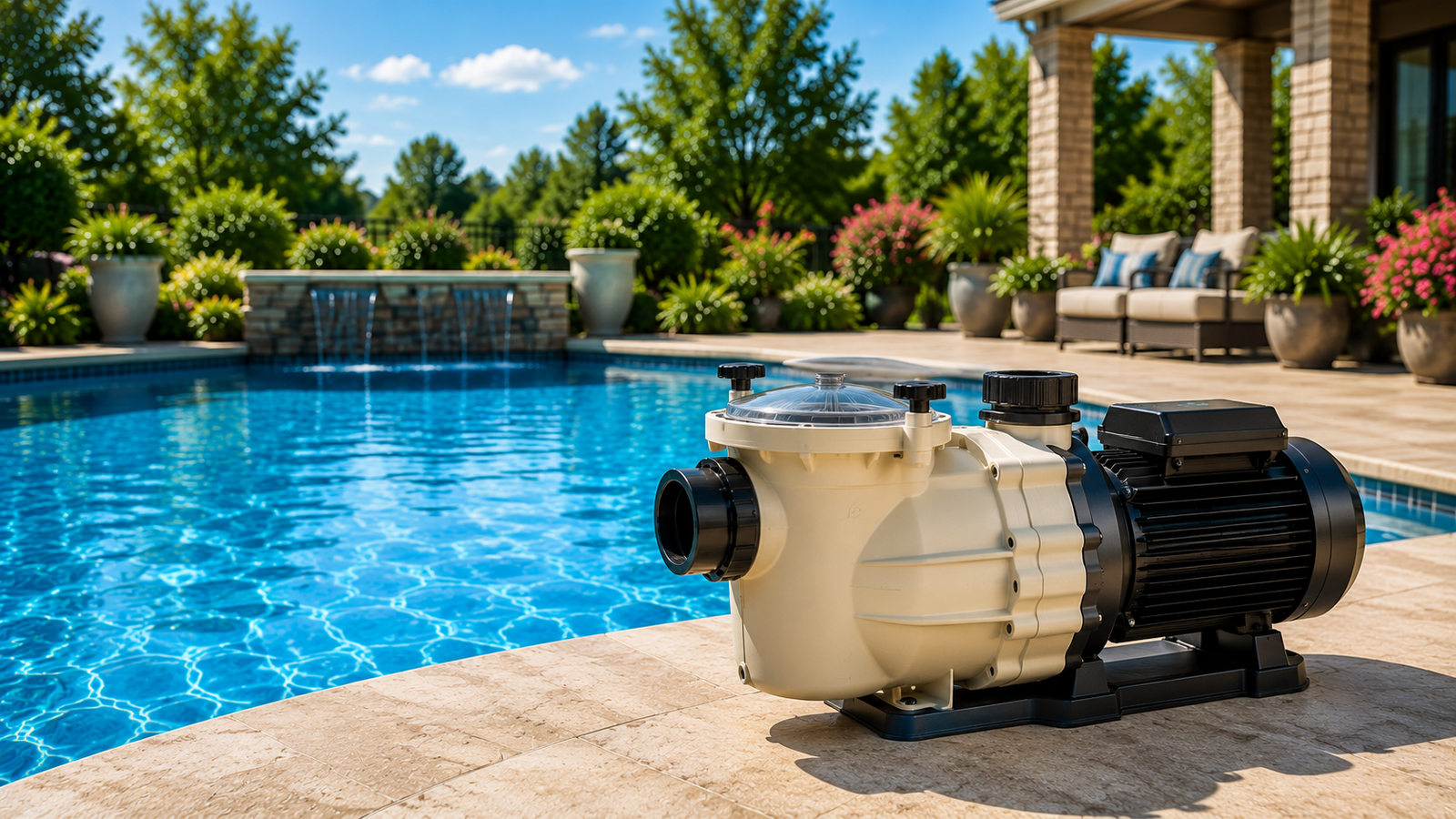
A single-speed pump typically operates at one fixed motor speed whenever it is on. A variable-speed pump uses an electronically controlled motor that can run at multiple programmed speeds, allowing lower flow for routine filtration and higher flow only when equipment such as a heater, cleaner or spa mode needs it.
Check PriceVariable-speed pump
Pump power demand changes sharply with speed, so reducing speed for longer filtration cycles can reduce electricity use substantially. Actual savings depend on hydraulic resistance, required turnover, local utility rates, run time and how the schedule is programmed.
Check PriceRequired flow at the lowest practical speed
Lower-speed operation is generally quieter and gives owners more scheduling flexibility. Variable-speed models can also maintain minimum flow for salt systems, heaters and automation while avoiding unnecessary high-speed operation.
Check PriceWhat matters most
| Decision area | What to check | Why it matters |
|---|---|---|
| How the two pump types differ | Required flow at the lowest practical speed | A single-speed pump typically operates at one fixed motor speed whenever it is on. A variable-speed pump uses an electronically controlled motor that can run at multiple programmed speeds, allowing lower flow for routine filtration and higher flow only when equipment such as a heater, cleaner or spa mode needs it. |
| Energy use and operating cost | Required flow at the lowest practical speed | Pump power demand changes sharply with speed, so reducing speed for longer filtration cycles can reduce electricity use substantially. Actual savings depend on hydraulic resistance, required turnover, local utility rates, run time and how the schedule is programmed. |
| Noise, scheduling and control | Required flow at the lowest practical speed | Lower-speed operation is generally quieter and gives owners more scheduling flexibility. Variable-speed models can also maintain minimum flow for salt systems, heaters and automation while avoiding unnecessary high-speed operation. |
Single-Speed vs Variable-Speed Pool Pumps
How the two pump types differ
How the two pump types differ
A single-speed pump typically operates at one fixed motor speed whenever it is on. A variable-speed pump uses an electronically controlled motor that can run at multiple programmed speeds, allowing lower flow for routine filtration and higher flow only when equipment such as a heater, cleaner or spa mode needs it.
Energy use and operating cost
Energy use and operating cost
Pump power demand changes sharply with speed, so reducing speed for longer filtration cycles can reduce electricity use substantially. Actual savings depend on hydraulic resistance, required turnover, local utility rates, run time and how the schedule is programmed.
Noise, scheduling and control
Noise, scheduling and control
Lower-speed operation is generally quieter and gives owners more scheduling flexibility. Variable-speed models can also maintain minimum flow for salt systems, heaters and automation while avoiding unnecessary high-speed operation.
Which pump fits your pool?
Which pump fits your pool?
Choose from the system requirements backward: determine the flow needed by the filter, heater, chlorinator, cleaner and water features, then select a pump whose performance curve can meet those needs without excessive speed.
How to use this guide
Start with the manual
Model-specific limits, procedures and warnings override general advice.
Record a baseline
Note clean pressure, normal sound, flow and settings after proper service.
Change one thing at a time
This makes troubleshooting safer and easier to verify.
Escalate when needed
Use qualified service for electrical, gas, refrigerant and pressurized repairs.
Key ownership considerations
How the two pump types differ
A single-speed pump typically operates at one fixed motor speed whenever it is on. A variable-speed pump uses an electronically controlled motor that can run at multiple programmed speeds, allowing lower flow for routine filtration and higher flow only when equipment such as a heater, cleaner or spa mode needs it.
Energy use and operating cost
Pump power demand changes sharply with speed, so reducing speed for longer filtration cycles can reduce electricity use substantially. Actual savings depend on hydraulic resistance, required turnover, local utility rates, run time and how the schedule is programmed.
Noise, scheduling and control
Lower-speed operation is generally quieter and gives owners more scheduling flexibility. Variable-speed models can also maintain minimum flow for salt systems, heaters and automation while avoiding unnecessary high-speed operation.
Which pump fits your pool?
Choose from the system requirements backward: determine the flow needed by the filter, heater, chlorinator, cleaner and water features, then select a pump whose performance curve can meet those needs without excessive speed.
Common mistakes to avoid
Frequently asked questions
Is a variable-speed pool pump always cheaper to run?
Usually, but not automatically. Savings depend on running the pump at lower speeds for suitable tasks rather than operating it at maximum speed all day.
Can a variable-speed pump replace a single-speed pump?
Often yes, provided voltage, plumbing, hydraulic performance and equipment flow requirements are compatible. Installation should follow the pump manual and local electrical rules.
Why are variable-speed pumps quieter?
They can perform routine circulation at lower motor speed, which reduces motor and water-movement noise compared with continuous high-speed operation.
Do variable-speed pumps improve filtration?
They can support longer, steadier filtration at lower flow, but filtration quality still depends on filter size, condition, water chemistry and circulation design.
Will a heater work at low pump speed?
Only if flow remains above the heater’s required minimum. Program a speed that reliably closes the heater flow switch and stays within its specified range.
Do pool cleaners need a higher speed?
Some suction cleaners, pressure systems and in-floor cleaners need more flow or pressure than routine filtration. A separate programmed speed may be necessary.
How should I compare pump sizes?
Compare certified performance curves, total dynamic head, required flow, plumbing size and equipment limits rather than horsepower alone.
Is professional installation recommended?
Yes when electrical work, bonding, plumbing changes or automation integration are involved.
Related pool equipment guides
Final recommendation
Choose, operate and maintain equipment according to verified flow requirements, manufacturer instructions and local safety rules. Use professional installation or service whenever electrical, gas, refrigerant or pressure-vessel work is involved.