
Pool Closing Checklist
Closing procedures must match local freeze conditions and the installed equipment. Clean and balance the pool first, then protect plumbing and components exactly as their manuals require before installing the winter cover.
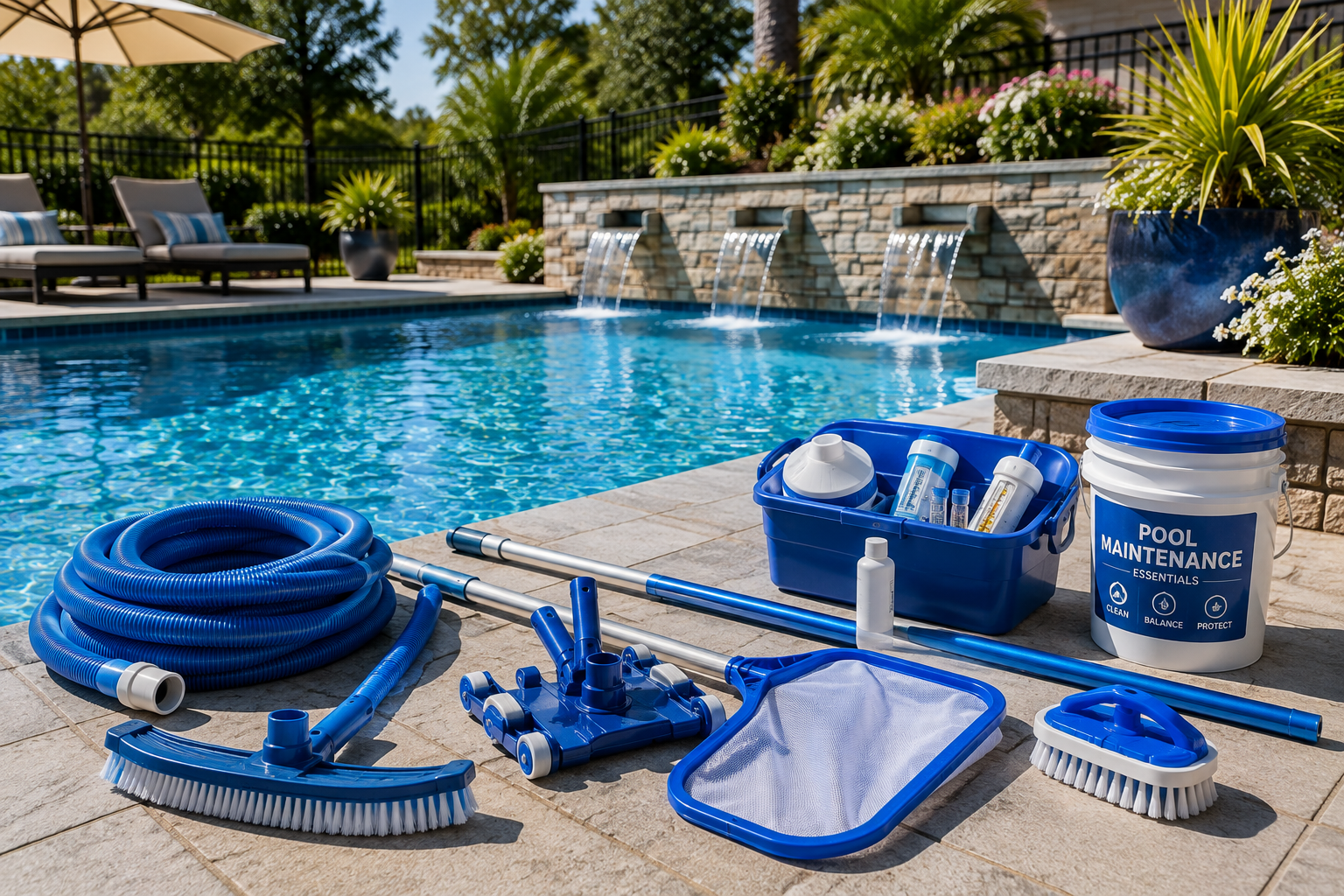
What to focus on
Use these priorities to organize the task, then confirm product-specific procedures in the equipment manuals.
Choose the right closing date
Close after heavy swimming ends but before sustained freezing threatens exposed plumbing.
Prepare clean water
Remove debris, brush and vacuum so organic material does not sit under the cover.
Protect plumbing and equipment
Drain, purge or protect components according to climate and manufacturer instructions.
At-a-glance checklist
| Area | Main decision or task | What to verify |
|---|---|---|
| Water preparation | Test, balance, clean and sanitize | Follow labels and allow proper circulation |
| Accessories | Remove cleaners, ladders and removable fittings | Clean, dry and store safely |
| Equipment | Shut down and winterize pump, filter, heater and sanitizer | Follow each manual; power off safely |
| Plumbing | Lower water only as required; purge and plug lines | Use qualified help where freeze risk is significant |
| Cover | Install and tension correctly | Inspect throughout winter |
Pool Closing Checklist: practical steps
How to use this guide
Choose the right closing date
Close after heavy swimming ends but before sustained freezing threatens exposed plumbing.
Prepare clean water
Remove debris, brush and vacuum so organic material does not sit under the cover.
Protect plumbing and equipment
Drain, purge or protect components according to climate and manufacturer instructions.
Secure the cover
Inspect anchors, straps, water bags or locking systems and keep the cover properly supported.
Common problems to prevent
Frequently asked questions
When should I close my pool for winter?
Close before sustained freezing threatens equipment and plumbing, but avoid closing very warm water too early when algae can still grow quickly. Local climate and cover type influence timing.
Do I need to lower the pool water level?
It depends on the pool, skimmer protection method, plumbing and cover. Follow the pool builder, cover manufacturer and winterization instructions rather than using one universal level.
Should I drain all water from the pool?
Generally no. Completely draining many pools can damage liners or structures and can create groundwater-related problems. Follow the pool manufacturer or a qualified professional.
What should I do with a salt chlorine generator?
Follow the manufacturer’s winterizing instructions for the cell, controller and flow sensors. Some cells are removed and stored, while others remain installed after proper draining and protection.
How do I winterize a pool heater?
Shut off utilities safely and drain or purge the heater exactly as the manual requires. Fuel-burning heaters and complex plumbing should be handled by qualified personnel.
Can I leave a robotic cleaner in the pool all winter?
Usually it should be removed, cleaned, dried and stored according to its manual. Freezing conditions and prolonged chemical exposure can damage cords, seals, brushes and electronics.
What chemicals are needed for pool closing?
Needs vary with measured water conditions, sanitizer system and cover type. Use a complete water test and follow product labels rather than relying on a generic chemical package.
How often should I inspect the cover during winter?
Inspect after storms and periodically throughout the off-season. Correct loose anchors, excessive water, debris or damage according to the cover manufacturer’s instructions.
Related pool owner guides
Practical next step
Winterization is primarily a plumbing- and equipment-protection job. Use the manuals for every installed component and get professional help when freeze exposure, gas appliances or line purging create uncertainty.