
Annual Pool Maintenance Checklist
An annual review combines seasonal startup or shutdown with deeper equipment inspection, service-history review and replacement planning. Schedule qualified work before peak swimming season when possible.
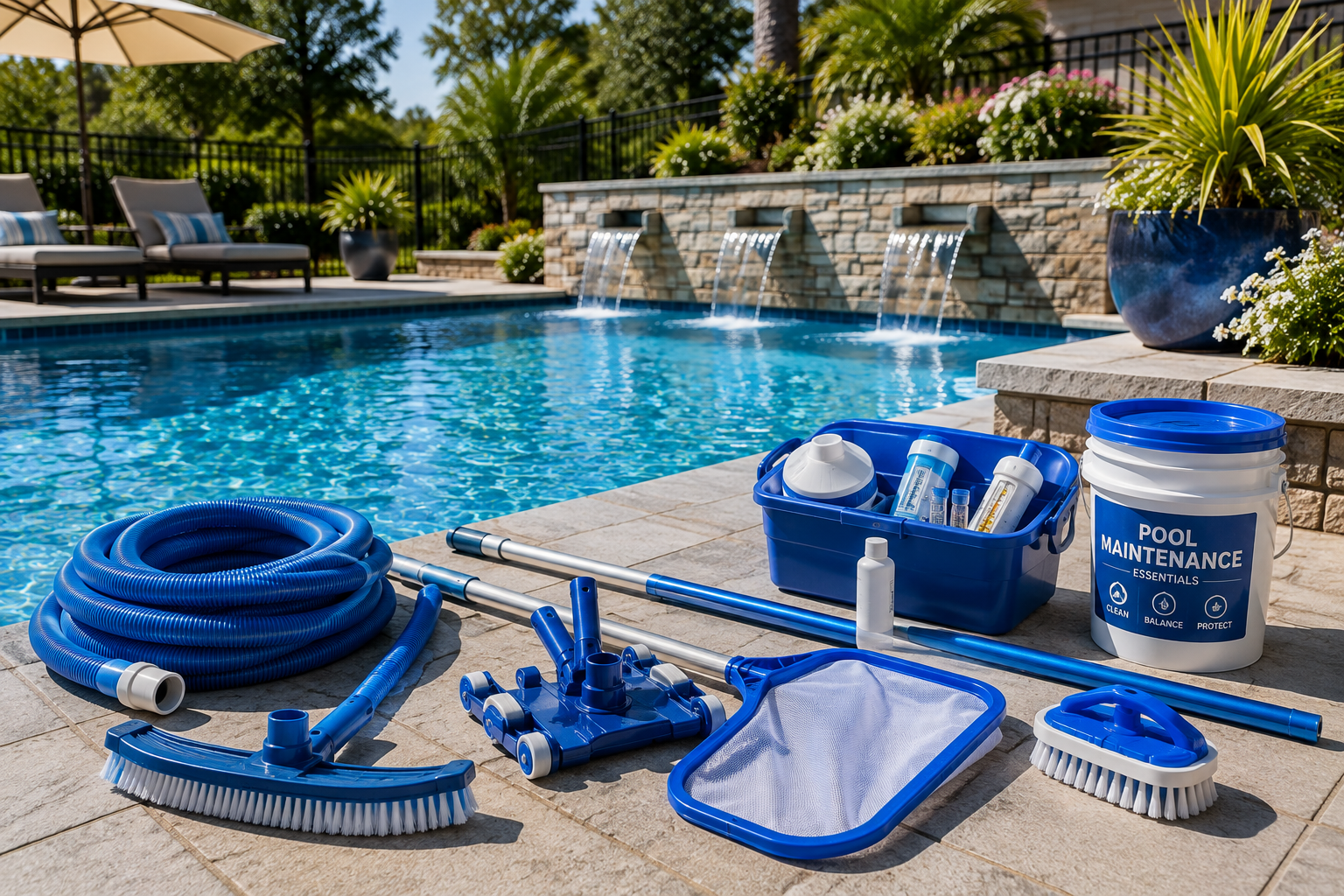
What to focus on
Use these priorities to organize the task, then confirm product-specific procedures in the equipment manuals.
Review the year’s records
Compare chemistry, pressure, energy use, errors, repairs and replacement parts.
Service safety-critical equipment
Heaters, electrical systems, bonding and pressure vessels deserve professional attention.
Inspect the whole structure
Check surface, tile, coping, deck drainage, fittings and visible plumbing.
At-a-glance checklist
| Area | Main decision or task | What to verify |
|---|---|---|
| Pool structure | Surface, tile, coping, fittings and leaks | Document cracks, staining and movement |
| Hydraulic system | Pump, filter, valves, plumbing and flow | Compare with normal pressure and prime |
| Heating and sanitation | Heater, heat pump, salt system and feeders | Professional service as required |
| Electrical and automation | Panels, bonding, lights, sensors and controls | Qualified inspection for defects |
| Accessories and safety | Covers, alarms, ladders, cleaner and storage | Replace damaged components |
Annual Pool Maintenance Checklist: practical steps
How to use this guide
Review the year’s records
Compare chemistry, pressure, energy use, errors, repairs and replacement parts.
Service safety-critical equipment
Heaters, electrical systems, bonding and pressure vessels deserve professional attention.
Inspect the whole structure
Check surface, tile, coping, deck drainage, fittings and visible plumbing.
Plan replacements early
Order worn cartridges, cleaner parts, sensors, covers or valves before failure creates downtime.
Common problems to prevent
Frequently asked questions
What pool maintenance should be done annually?
Review the pool structure, equipment pad, pump, filter, heater, sanitation, automation, electrical condition, covers and safety accessories. Seasonal opening or winterizing may also be part of the annual plan.
Does a pool heater need annual service?
Many heater manufacturers recommend periodic professional inspection. Fuel-burning systems require attention to combustion, ventilation, gas supply, safeties and heat-exchanger condition.
How often should pool filter media be replaced?
There is no universal annual interval. Replace cartridges, grids, laterals or media based on condition, performance and the filter manufacturer’s guidance.
Should I have a professional leak test every year?
Not necessarily, but unexplained water loss, persistent air, wet areas or repeated chemical dilution justify investigation. A simple bucket comparison can help distinguish evaporation from a probable leak.
What electrical items should be checked?
Inspect visible enclosures, conduit, cords, lights, bonding and GFCI protection without opening energized equipment. Qualified electricians should address corrosion, damaged wiring, nuisance trips or bonding concerns.
When should pool equipment be replaced proactively?
Consider planned replacement when failures recur, parts are scarce, efficiency is poor, safety is compromised or downtime would be costly. Confirm the replacement fits the system hydraulically and electrically.
What should be documented during annual maintenance?
Record model and serial numbers, service performed, pressure baseline, pump schedules, chemistry review, replacement parts, defects found and photos of equipment condition.
Is annual maintenance different in warm climates?
Yes. Pools that remain open year-round may not need full winterization, but still require annual inspection, deep cleaning and equipment service. Freeze protection may still matter during occasional cold events.
Related pool owner guides
Practical next step
Use the annual service to step back from day-to-day care and assess the entire system. Fix safety issues first, then active leaks and performance problems, and plan predictable replacements before peak season.